


Sign up for workout ideas, training advice, reviews of the latest gear and more.





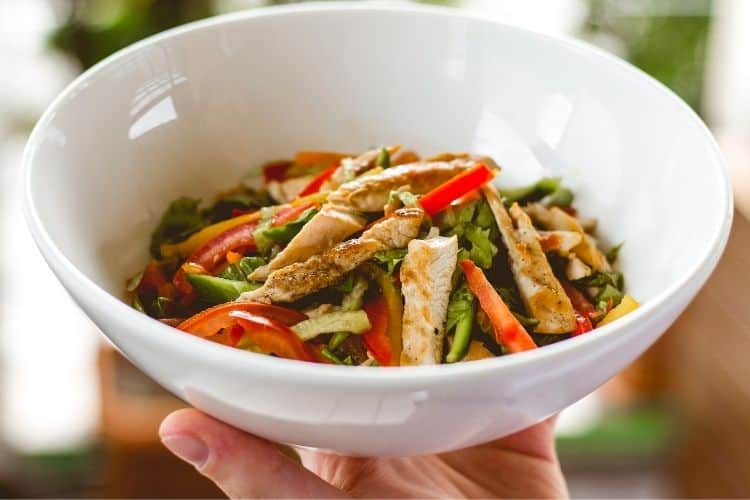
Eating healthier does not mean living on tiny portions, bland salads, or complicated recipes. Low calorie homemade meals can be flavorful, satisfying, affordable, and surprisingly easy to prepare. When you cook at home, you have greater control over ingredients, portion sizes, cooking methods, added oils, sodium, and sauces. That makes homemade cooking one of the most practical ways to create meals that support healthy eating and weight-management goals.
The key is not simply making every meal as low in calories as possible. A better approach is to build balanced meals around nutrient-dense foods that provide plenty of volume and nutrition for a reasonable number of calories. Vegetables, lean proteins, fruits, beans, whole grains, potatoes, eggs, and low-fat dairy products can all play a role.
Whether you need quick lunches, easy weeknight dinners, meal-prep recipes, or healthier comfort-food alternatives, these low calorie homemade meal ideas can help you create a routine that feels realistic and sustainable.
A good low calorie meal should do more than reduce calories. It should also provide enough protein, fiber, nutrients, and food volume to leave you feeling satisfied.
One of the easiest ways to build a balanced plate is to start with vegetables. Vegetables such as broccoli, cauliflower, zucchini, peppers, mushrooms, spinach, cabbage, tomatoes, carrots, asparagus, and green beans add substantial volume without dramatically increasing calories.
Next, include a source of protein. Chicken breast, turkey, fish, shrimp, eggs, Greek yogurt, cottage cheese, beans, lentils, tofu, and other lean protein sources can make a meal much more satisfying.
Finally, add an appropriate portion of carbohydrates or healthy fats depending on your preferences. Brown rice, quinoa, oats, potatoes, sweet potatoes, whole-grain pasta, avocado, nuts, seeds, and olive oil can all fit into healthy homemade meals when portions match your needs.
Restaurant and takeout meals can contain significant amounts of cooking oil, butter, cheese, sugar, sauces, and large portions. Even foods that appear healthy may contain more calories than expected.
Cooking at home gives you much more control.
You decide how much oil goes into the pan. You determine the portion of rice or pasta. You can increase the amount of vegetables, choose leaner cuts of meat, reduce sugary sauces, and season food with herbs and spices.
This does not mean every ingredient needs to be weighed or measured forever. Instead, homemade cooking can help you become more aware of what goes into your meals and develop portions that work for your lifestyle.
The following ideas can be adjusted according to your calorie needs, food preferences, and available ingredients. Exact calories will vary based on portion size, brands, sauces, oils, and preparation methods.
A homemade chicken and vegetable stir-fry is one of the easiest healthy dinners to prepare.
Start with sliced chicken breast and add vegetables such as broccoli, mushrooms, carrots, bell peppers, onions, zucchini, and snap peas. Cook everything in a nonstick skillet or wok using a modest amount of oil.
For flavor, combine reduced-sodium soy sauce with garlic, ginger, chili flakes, and a small amount of honey if desired.
Serve the stir-fry by itself for a lighter meal or add a measured serving of brown rice, quinoa, or noodles when you need additional carbohydrates.
Taco bowls can provide all the flavors of tacos while making it easy to control portions.
Cook lean ground turkey with onion, garlic, chili powder, cumin, paprika, and oregano. Build your bowl with shredded lettuce, tomatoes, peppers, black beans, salsa, corn, and a portion of cooked rice.
Instead of loading the bowl with sour cream and cheese, try plain Greek yogurt, fresh cilantro, lime juice, jalapeños, or pico de gallo.
You can also replace some or all of the rice with cauliflower rice to increase vegetable volume.
Sheet pan meals are excellent when you want a healthy homemade dinner without spending the evening washing dishes.
Place chunks of chicken breast on a baking sheet with broccoli, zucchini, peppers, onions, carrots, or Brussels sprouts. Add a small amount of olive oil along with garlic powder, paprika, oregano, black pepper, and other seasonings.
Roast until the chicken reaches a safe internal temperature and the vegetables are tender.
Add a small baked potato, sweet potato, quinoa, or brown rice for a more substantial meal.
Shrimp cooks quickly and works particularly well for busy weeknight dinners.
Sauté shrimp with garlic, lemon juice, black pepper, paprika, and a small amount of olive oil. Serve it over cauliflower rice with spinach, tomatoes, cucumbers, peppers, or roasted vegetables.
Add fresh herbs and lemon juice for extra flavor.
If cauliflower rice alone does not provide enough energy or satisfaction, combine it with a smaller portion of regular rice.
Protein can be especially useful when creating filling meals because it contributes to satiety while also supporting muscle maintenance and recovery.
You do not need enormous amounts of protein at every meal. Instead, aim to include a quality protein source as part of a balanced plate.
Salads can be surprisingly satisfying when they contain more than lettuce.
Begin with leafy greens and add grilled chicken breast, cucumbers, tomatoes, peppers, red onions, shredded carrots, and other vegetables.
For extra texture, include a modest amount of avocado, seeds, beans, or crumbled cheese.
Be particularly aware of dressing portions. Creamy dressings can add considerable calories quickly. A lighter vinaigrette made with lemon juice, vinegar, herbs, mustard, and a measured amount of olive oil can provide plenty of flavor.
Low calorie homemade meals are not limited to dinner.
An egg and vegetable scramble can work for breakfast, lunch, or even a quick dinner. Combine whole eggs with additional egg whites if you want to increase protein while keeping the meal relatively light.
Add spinach, mushrooms, onions, peppers, tomatoes, and herbs.
Serve your scramble with fresh fruit, whole-grain toast, or a small serving of roasted potatoes depending on your appetite and nutritional needs.
Traditional meatballs and pasta can be transformed into a lighter homemade dinner without eliminating the flavors that make the dish comforting.
Prepare meatballs using lean ground turkey, garlic, herbs, onion, seasonings, and a small amount of breadcrumbs. Bake rather than fry them.
Serve with zucchini noodles and tomato-based marinara sauce.
If you enjoy regular pasta, another option is combining zucchini noodles with a smaller serving of whole-grain pasta. This increases the overall volume while still giving you the texture of traditional spaghetti.
Fish can make a simple, protein-rich dinner.
Choose cod, tilapia, haddock, pollock, or another fish you enjoy. Season with lemon, garlic, paprika, parsley, black pepper, and herbs before baking.
Pair the fish with roasted asparagus, broccoli, green beans, zucchini, or Brussels sprouts.
Add potatoes or a whole grain when you want additional carbohydrates.
Healthy eating does not require eliminating comfort food. Instead, consider modifying ingredients and portions.
Small adjustments can dramatically change the calorie density of familiar dishes without turning them into completely different meals.
Chicken Parmesan can be made lighter by baking the chicken rather than deep frying it.
Coat chicken breast lightly with seasoned breadcrumbs and bake until crisp and fully cooked. Add tomato sauce and a controlled portion of mozzarella or Parmesan.
Serve with roasted vegetables, zucchini noodles, spaghetti squash, or a modest portion of pasta.
The result still provides the familiar combination of crispy chicken, tomato sauce, and melted cheese.
Chili is one of the best meals for batch cooking because a large pot can provide several lunches or dinners.
Use lean ground turkey along with kidney beans, black beans, tomatoes, peppers, onions, garlic, and spices.
Chili powder, cumin, smoked paprika, cayenne pepper, and oregano can create plenty of flavor without relying on high-calorie ingredients.
Vegetables can also be added generously. Zucchini, carrots, corn, mushrooms, and diced peppers all work well.
Traditional fried rice can become calorie dense when large amounts of oil and sauces are used.
For a lighter homemade version, replace some or all of the rice with cauliflower rice.
Cook it with peas, carrots, onions, garlic, scrambled egg, and reduced-sodium soy sauce. Add chicken, shrimp, tofu, or turkey for protein.
Using a nonstick pan helps reduce the amount of oil required.
Soup is an excellent way to create a high-volume meal.
Start with reduced-sodium chicken or vegetable broth and add shredded chicken breast, carrots, celery, onions, tomatoes, cabbage, zucchini, green beans, spinach, or whatever vegetables you have available.
Season with garlic, herbs, pepper, and spices.
Potatoes, beans, barley, rice, or whole-grain noodles can be included in controlled portions when you want a heartier soup.
Meal preparation can make healthy eating easier because food is already available when hunger hits.
Instead of cooking a completely different recipe every day, prepare several basic ingredients that can be mixed and matched.
Chicken, broccoli, and rice is popular for a reason: it is simple, affordable, and easy to portion.
Season chicken breast with paprika, garlic powder, pepper, lemon, and herbs. Roast or grill the chicken while preparing broccoli and rice.
Divide everything between meal-prep containers.
The portions can easily be adjusted depending on your nutritional goals. Increase vegetables when you want more volume, or increase rice when your activity level requires additional carbohydrates.
Plant-based meals can also be filling and nutritious.
Combine chickpeas with chopped cucumbers, tomatoes, red onions, leafy greens, peppers, and fresh herbs. Add lemon juice and a small amount of olive oil or a yogurt-based dressing.
A modest serving of feta cheese can provide additional flavor.
Serve with quinoa, brown rice, or whole-grain pita if desired.
Cook lean ground turkey with garlic, onion, paprika, cumin, and black pepper. Pair it with roasted sweet potato cubes and vegetables such as spinach, broccoli, peppers, or green beans.
This combination provides protein, carbohydrates, fiber, and vegetables in one easy meal.
Prepare several servings at once and store them in individual containers for quick lunches throughout the week.
You do not necessarily need special diet recipes. Many everyday recipes can be made lighter through simple substitutions.
Oil is useful for cooking and can absolutely be part of a balanced diet, but it is calorie dense.
Instead of pouring oil directly from the bottle, measure the amount you use. Nonstick cookware, baking, grilling, steaming, air frying, and roasting can also help reduce the amount of added fat required.
One of the easiest strategies for making meals more filling without dramatically increasing calories is adding vegetables.
Try adding mushrooms and spinach to scrambled eggs, zucchini to pasta sauce, broccoli to stir-fries, cauliflower rice to rice bowls, or cabbage to soups.
Vegetables increase the physical size of the meal while contributing vitamins, minerals, fiber, and other nutrients.
Protein-rich foods can help make a lower-calorie meal more satisfying.
Chicken breast, turkey breast, lean ground turkey, fish, shrimp, eggs, egg whites, Greek yogurt, cottage cheese, beans, lentils, and tofu are versatile choices.
Choose the options that work with your dietary preferences rather than assuming there is one perfect protein source.
Sauces, dressings, mayonnaise, butter, cheese, cream, and sugary condiments can quickly increase the calorie content of a meal.
You do not necessarily need to eliminate them. Measuring smaller amounts can allow you to keep the flavor while controlling the overall calorie density.
Salsa, mustard, vinegar, lemon juice, herbs, spices, hot sauce, and yogurt-based sauces can also add flavor.
A common mistake when trying to reduce calories is making meals too small.
For example, eating only a tiny salad at lunch may leave you hungry shortly afterward. That can make maintaining a balanced eating routine unnecessarily difficult.
Instead, think about protein, fiber, volume, and satisfaction.
A large salad containing vegetables, grilled chicken, beans, and a measured dressing may be far more satisfying than lettuce alone. Similarly, vegetable soup containing chicken, potatoes, and beans can provide significantly more staying power than broth by itself.
Fiber-rich foods such as vegetables, fruits, beans, lentils, oats, potatoes, and whole grains can contribute to fullness.
Protein is another important component. Building meals around both protein and high-fiber foods is a practical strategy for making lower-calorie eating more sustainable.
You do not always need a recipe.
Use a simple formula to create different dinners throughout the week:
Lean protein + plenty of vegetables + controlled carbohydrate portion + flavorful seasoning or sauce.
For example, you could combine chicken, broccoli, and brown rice with a garlic-soy sauce one evening.
The following night, combine turkey, peppers, black beans, and rice with salsa and taco seasoning.
Another night, prepare fish with roasted asparagus and potatoes.
Using the same basic formula while changing proteins, vegetables, seasonings, and carbohydrates can provide dozens of different meal combinations.
Healthy eating does not have to require expensive specialty products.
Some of the most useful ingredients for homemade meals are inexpensive staples such as oats, potatoes, rice, beans, lentils, frozen vegetables, canned tomatoes, eggs, tuna, and seasonal produce.
Frozen vegetables are particularly convenient because they last longer and can be added directly to soups, stir-fries, casseroles, and rice dishes.
Buying larger packages of chicken or turkey when they are on sale and freezing individual portions can also reduce food costs.
Planning meals around ingredients you already have can help reduce both your grocery bill and food waste.
Choose two or three proteins, several vegetables, and one or two carbohydrate sources for the week.
For example, you might prepare chicken breast and turkey meatballs, roast trays of broccoli and peppers, and cook rice and sweet potatoes.
Those ingredients can then become different meals.
Chicken can be used in salads, wraps, stir-fries, or grain bowls. Turkey meatballs can be served with zucchini noodles, vegetables, or pasta.
This approach provides flexibility without requiring you to cook from scratch every day.
The first mistake is focusing only on calories while ignoring nutrition. A food being low in calories does not automatically make it a balanced meal.
Another mistake is removing too many carbohydrates or fats unnecessarily. Both can fit into a healthy diet.
Portion awareness matters more than automatically eliminating entire food groups.
A third mistake is failing to season food properly. Healthy homemade meals do not need to taste bland. Garlic, ginger, chili, cumin, paprika, curry powder, Italian herbs, lemon, lime, vinegar, fresh herbs, and other seasonings can transform basic ingredients.
Finally, avoid making your diet so restrictive that you cannot maintain it. The most useful meal plan is one that provides appropriate nutrition while fitting realistically into your lifestyle.
Low calorie homemade meals can support weight loss when they help create an overall calorie deficit, meaning you consume less energy than your body uses over time.
However, individual calorie requirements vary considerably based on factors such as age, body size, activity level, and personal goals.
That is why labeling every meal with an arbitrary low calorie target is not always helpful.
A better approach is often to emphasize minimally processed foods, lean protein, vegetables, fruit, high-fiber carbohydrates, sensible portions, and consistent eating habits.
People with specific dietary requirements or medical concerns should consider getting individualized guidance from a qualified healthcare professional or registered dietitian.
Simple options include chicken and vegetable stir-fry, turkey taco bowls, grilled chicken salads, vegetable omelets, shrimp with cauliflower rice, baked fish and vegetables, turkey chili, homemade soups, and Mediterranean chickpea bowls.
Vegetables, many fruits, broth-based soups, potatoes prepared without excessive added fat, Greek yogurt, lean proteins, beans, lentils, and other high-fiber foods can provide substantial nutrition and satiety for their calorie content.
Yes. Rice can easily be incorporated into a lower-calorie meal.
Portion size and the rest of the plate matter. Combining a moderate serving of rice with lean protein and plenty of vegetables can create a balanced meal.
Pasta can also fit.
Consider measuring your serving and combining pasta with vegetables and lean protein rather than making pasta the entire meal. Tomato-based sauces are often easier to incorporate into lighter meals than heavy cream-based sauces.
Potatoes can be an excellent addition to homemade meals, particularly when baked, boiled, or roasted with modest amounts of added fat.
The cooking method and toppings can make a significant difference in the final calorie content.
Creating low calorie homemade meals does not require expensive diet foods, complicated recipes, or tiny portions. Some of the best meals are built from simple everyday ingredients: lean protein, vegetables, fruits, beans, whole grains, potatoes, herbs, spices, and sensible amounts of healthy fats.
Chicken and vegetable stir-fries, turkey taco bowls, homemade chili, grilled chicken salads, Mediterranean chickpea bowls, baked fish, soups, turkey meatballs, and meal-prep bowls can all provide a foundation for healthier everyday eating.
Focus on creating meals that are satisfying rather than simply chasing the lowest possible calorie number. Include protein, increase vegetable and fiber-rich foods, measure calorie-dense sauces and oils when appropriate, and experiment with seasonings to keep your meals interesting.
Most importantly, choose homemade meals you genuinely enjoy eating. A healthy eating pattern becomes much easier to maintain when nutritious food is convenient, flavorful, filling, and compatible with your everyday life.
For even more nutritious meal inspiration, explore these healthy eating resources from Women’s Fit Club. Start with these Healthy Meal Plans For Weight Loss for ideas on building balanced meals with lean protein, vegetables, and wholesome carbohydrates. For a quick homemade lunch or dinner, try this Healthy Shrimp Bowl Recipe or learn how to customize your own meals with this guide to Healthy Bowls. You can also add variety to your weekly menu with these Low Carb Salad Recipes and these Healthy Recipes For Weight Loss. These recipes pair naturally with a low calorie homemade meal plan and can help make healthy eating more varied and convenient.
Stay up to date on the latest women’s health, fitness and lifestyle trends and tips.
