


Sign up for workout ideas, training advice, reviews of the latest gear and more.
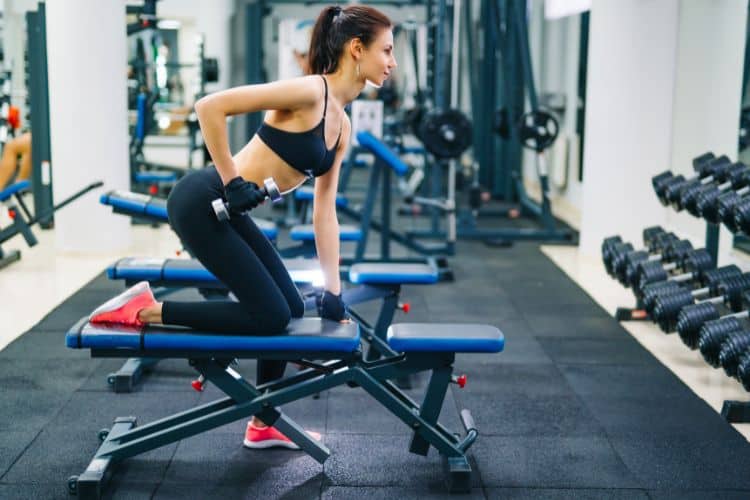
A 30 minute strength and Pilates workout for women over 40 offers a balanced way to build lean muscle, improve core stability, protect joint health, and maintain mobility as the body changes with age. Strength training helps preserve muscle mass and bone density, while Pilates develops control, posture, flexibility, and deep core strength. When these two training styles are combined in one practical program, they can support everyday movement, improve physical confidence, and create a strong foundation for healthy aging.
Women can begin losing muscle mass gradually with age, particularly when resistance training is absent. Hormonal changes during perimenopause and menopause may also influence body composition, energy levels, recovery, and bone health. However, turning 40 does not mean that strength, fitness, or athletic ability must decline. A consistent routine built around progressive resistance, controlled Pilates exercises, adequate recovery, and supportive nutrition can help women remain strong and active for decades.
The following strength and Pilates workout for women over 40 can be completed at home or in a gym. You only need a mat and a pair of dumbbells, although a resistance band and Pilates ball may provide useful variations. The plan is designed to train the entire body without relying on high-impact movements or complicated equipment.
Strength training and Pilates complement each other because they develop different but equally important physical qualities. Traditional resistance exercises challenge the muscles with external weight, helping the body maintain or increase strength. Pilates uses controlled movement, precise positioning, breathing, and sustained muscular engagement to improve stability and body awareness.
A strength workout might include squats, rows, deadlifts, presses, and lunges. These compound exercises train multiple muscle groups and imitate movements used in everyday life. Pilates exercises such as bridges, bird dogs, toe taps, and side-lying leg lifts teach the body to maintain alignment while moving the arms and legs.
Combining both methods can improve the quality of each workout. Better core control may help a woman feel more stable during squats and lunges, while stronger legs and upper-body muscles can make Pilates exercises easier to perform with proper form. The goal is not to choose between lifting weights and Pilates. It is to use both strategically.
Muscle is essential for much more than appearance. It supports metabolism, protects joints, improves balance, and makes everyday activities easier. Carrying groceries, climbing stairs, lifting luggage, and getting up from the floor all require strength.
Resistance training gives the muscles a reason to adapt. When an exercise becomes manageable, gradually increasing the weight, repetitions, or difficulty encourages continued progress. Pilates adds muscular endurance and control, especially through the core, hips, glutes, and postural muscles.
Bone density becomes increasingly important during midlife. Weight-bearing activities and resistance exercises place appropriate stress on the skeletal system, which can support bone strength. Squats, lunges, deadlifts, overhead presses, and loaded carries are particularly valuable because they require the body to stabilize against resistance.
Anyone with osteoporosis, osteopenia, previous fractures, or significant joint concerns should ask a qualified medical professional or physical therapist which exercises are appropriate. Some traditional Pilates movements involving deep spinal flexion or twisting may need to be modified for people with low bone density.
The core includes more than the visible abdominal muscles. It also involves the deep abdominal wall, diaphragm, pelvic floor, spinal stabilizers, hips, and glutes. These muscles work together to support the spine and transfer force between the upper and lower body.
Pilates emphasizes controlled breathing and core engagement throughout each movement. This can improve awareness of posture and help reduce unnecessary tension in the neck, shoulders, and lower back. Strong resistance exercises further train the core to stabilize the body under load.
Balance can be trained like any other fitness skill. Split squats, single-leg hinges, bird dogs, and side-lying Pilates exercises challenge the body to stay controlled in different positions. Improved balance and coordination can make daily movement feel more secure.
Beginners should use a wall, chair, or sturdy countertop for support when necessary. Reducing the range of motion is also a sensible way to learn a movement before progressing to a more challenging version.
A workout does not need to involve jumping or running to be effective. Strength training and Pilates can increase muscular effort while keeping impact relatively low. Tempo exercises, isometric holds, slow repetitions, and carefully selected resistance can create a productive workout without placing excessive stress on the joints.
Joint-friendly does not mean completely effortless. The muscles should still be challenged, but the movements should remain controlled and appropriate for the individual’s current ability.
The basic equipment includes an exercise mat, comfortable athletic shoes, and one or two pairs of dumbbells. An ideal setup includes a lighter pair for upper-body exercises and a heavier pair for squats, hinges, and rows. Beginners can initially perform certain exercises using body weight.
A small Pilates ball can be placed between the knees during bridges or held between the hands during core exercises. A loop resistance band can increase glute engagement during squats and lateral movements. These accessories are optional rather than necessary.
Choose weights that allow every repetition to be performed with good technique. The final two or three repetitions of a set should feel challenging, but they should not cause the body to lose alignment or use momentum.
Complete this full-body strength and Pilates routine two or three times per week on nonconsecutive days. Perform the exercises in the order listed, resting for approximately 30 to 60 seconds between movements and up to 90 seconds between strength circuits.
Beginners can complete two rounds of each circuit. More experienced women can perform three rounds or use heavier dumbbells. Move slowly during the Pilates section and focus on breathing, alignment, and control rather than trying to complete as many repetitions as possible.
The entire session should take approximately 40 to 55 minutes, depending on the number of rounds and rest periods.
Begin with one minute of easy marching in place. Let the arms swing naturally and gradually lift the knees higher as the body becomes warmer. Follow this with eight to ten bodyweight good mornings. Place the hands behind the head or across the chest, soften the knees, push the hips backward, and keep the spine long.
Perform eight bodyweight squats, using a chair as a depth guide if necessary. Continue with six reverse lunges on each side or alternating backward toe taps for a lower-impact option. Finish the warm-up with shoulder rolls, gentle arm circles, standing side bends, and several slow breaths into the sides and back of the rib cage.
The purpose of a warm-up is to prepare the joints, muscles, and nervous system. It should leave the body feeling mobile and ready rather than tired.
Hold one dumbbell vertically against the chest. Position the feet approximately shoulder-width apart, with the toes turned slightly outward. Brace the core, bend the knees, and sit the hips down and back. Keep the chest comfortably lifted and press through the whole foot to return to standing.
Complete 10 to 12 repetitions. Use a chair squat if additional guidance or confidence is needed. The goblet squat strengthens the quadriceps, glutes, hamstrings, and core while reinforcing a movement used every time you sit down or stand up.
Hold a dumbbell in each hand in front of the thighs. Soften the knees, keep the shoulders down, and push the hips backward. Lower the weights along the legs until tension is felt through the hamstrings. Squeeze the glutes and drive the hips forward to stand.
Complete 10 to 12 repetitions. The spine should remain neutral, and the movement should come primarily from the hips. Avoid turning the exercise into a squat by bending the knees excessively.
Place one hand on a sturdy chair, bench, or stable surface. Hold a dumbbell in the opposite hand and hinge forward while keeping the back flat. Pull the weight toward the hip, pause briefly, and lower it with control.
Complete 10 to 12 repetitions per side. Think about moving the shoulder blade toward the spine instead of shrugging the shoulder toward the ear. Rows strengthen the upper back, arms, and muscles that support upright posture.
Lie on your back with the knees bent and legs lifted into a tabletop position. Keep the pelvis steady and gently engage the abdominal muscles. Slowly lower one foot toward the floor, lightly tap the toes, and return to tabletop. Alternate sides.
Complete eight to ten repetitions per side. Only lower the foot as far as possible without arching or pressing the lower back aggressively into the mat. Keep the ribs relaxed and breathe throughout the movement.
Lie on the mat with the knees bent and feet planted. Hold a dumbbell in each hand above the chest with the palms facing forward or slightly inward. Lower the upper arms until they gently touch the floor, then press the weights upward.
Complete eight to twelve repetitions. Keep the wrists stacked over the elbows and avoid letting the shoulders rise toward the ears. A neutral grip, with the palms facing each other, may feel more comfortable for some shoulders.
Stand tall while holding dumbbells by the sides. Step one foot backward and bend both knees, keeping most of the pressure through the front foot. Push through the front heel to return to standing.
Complete eight to ten repetitions on each side. For additional stability, perform a stationary split squat while lightly holding a wall or chair. Women with sensitive knees can reduce the depth or replace the exercise with a controlled step-up.
Lie on your back with the knees bent and feet about hip-width apart. Place a small Pilates ball, cushion, or folded towel between the knees. Gently press inward, engage the core, and lift the hips until the body forms a diagonal line from the shoulders to the knees.
Pause at the top, squeeze the glutes, and lower slowly. Complete 12 to 15 repetitions. Avoid pushing the hips so high that the lower back becomes overly arched.
Begin on the hands and knees, with the wrists below the shoulders and knees below the hips. Brace the core and extend the right arm forward while reaching the left leg backward. Pause without rotating the pelvis, then return to the starting position and switch sides.
Complete six to ten repetitions per side. Imagine balancing a glass of water on the lower back. The purpose is to resist movement through the torso, not to lift the arm and leg as high as possible.
Stand or sit with a dumbbell in each hand at shoulder height. Keep the ribs stacked over the pelvis and press the weights overhead. Lower them slowly until the elbows return to approximately shoulder height.
Complete eight to ten repetitions. Use a neutral grip if it feels better for the shoulders. Avoid leaning backward or using the legs to create momentum.
Stand with the feet wider than the shoulders and toes turned outward comfortably. Hold one dumbbell in front of the hips. Bend the knees and lower the hips while keeping the knees aligned with the toes. Press through the feet to return to standing.
Complete 10 to 15 repetitions. The wider stance emphasizes the glutes and inner thighs while still training the quadriceps and core.
Lie on one side with the legs extended and the body in a straight line. Support the head with the lower arm or a cushion. Lift the top leg without rolling the hips backward, pause, and lower it slowly.
Complete 12 to 15 repetitions per side. Keep the toes facing forward or slightly downward to encourage the side glute muscles to work. A loop band can be added above the knees or ankles when body weight becomes too easy.
Lie on the back with the legs in tabletop and arms reaching toward the ceiling. Slowly extend one leg while moving the opposite arm overhead. Return to the center and switch sides.
Complete six to ten repetitions per side. Maintain steady abdominal tension and stop the limbs before the lower back begins to arch. A beginner can move only the arms or only the legs.
Lie on the stomach with the arms extended forward and legs long. Gently engage the abdominal muscles, glutes, and upper back. Lift the opposite arm and leg slightly, lower them, and switch sides.
Continue alternating for 20 to 30 seconds. Keep the neck long and gaze toward the mat. The movement should be small and controlled rather than forceful.
Lie on one side with the elbow below the shoulder and knees bent. Lift the hips to create a straight line from the head to the knees. Hold for 15 to 30 seconds before changing sides.
Press the floor away with the supporting forearm and avoid sinking into the shoulder. As strength improves, extend the legs and perform the plank from the feet.
Lie on the back with the knees bent and feet on the floor. Reach the arms alongside the body, lift the head and shoulders only if the neck feels comfortable, and pulse the arms several inches up and down. Inhale for five pulses and exhale for five.
Continue for three to five breathing cycles. Keep the head down if lifting it causes neck strain. The exercise will still train breathing coordination and abdominal endurance.
Finish with slow breathing and gentle mobility. Bring one knee toward the chest at a time, perform a comfortable figure-four glute stretch, and then roll onto one side before moving to a kneeling or standing position. Stretch the hip flexors, chest, and upper back without forcing any joint into an uncomfortable range.
Recovery is an important part of a strength and Pilates program. The muscles adapt between workouts, not only during them. Aim for sufficient sleep, eat regular meals containing protein and nutrient-dense carbohydrates, drink enough water, and include easier movement such as walking on recovery days.
Muscle soreness can occur after a new workout, but sharp pain, joint pain, dizziness, chest discomfort, or unusual shortness of breath are signals to stop. Seek medical guidance when symptoms are concerning or persistent.
A manageable weekly schedule might include the complete workout on Monday and Thursday, Pilates or mobility work on Tuesday, and moderate cardiovascular exercise on Saturday. Wednesday, Friday, and Sunday can be rest days or active-recovery days involving walking and gentle stretching.
Women with more training experience can complete strength and Pilates workouts three times per week. For example, train on Monday, Wednesday, and Friday, leaving at least one recovery day between full-body sessions. Cardiovascular exercise can be performed on two or three other days, depending on energy, fitness level, and personal goals.
Consistency matters more than creating an exhausting schedule. Two well-performed weekly workouts can produce better long-term results than an unrealistic six-day plan that is abandoned after several weeks.
Progressive overload is the gradual increase of training difficulty. Once every set can be completed easily with excellent form, increase the dumbbell weight slightly, add one or two repetitions, perform another set, or slow the lowering portion of the exercise.
Another option is to reduce reliance on external support during balance exercises. A supported split squat might gradually become an unsupported split squat and eventually a reverse lunge. A side plank from the knees can progress to a full side plank. Pilates toe taps can advance to dead bugs with longer arm and leg extensions.
Only change one factor at a time. Increasing the weight, repetitions, sets, and frequency simultaneously can create unnecessary fatigue and make it difficult to identify which adjustment caused discomfort.
One common mistake is choosing weights that are too light indefinitely. Light weights are appropriate when learning technique, but the muscles eventually need a greater challenge to become stronger. The last few repetitions should require concentration while remaining controlled.
Another mistake is rushing Pilates exercises. Pilates is effective because of precision, breathing, and muscular control. Performing repetitions quickly often reduces core engagement and allows momentum to take over.
Skipping recovery can also limit progress. More exercise is not automatically better, especially when sleep or nutrition is inadequate. Persistent fatigue, declining performance, irritability, disrupted sleep, and unusually prolonged soreness may indicate that the routine needs more recovery.
Finally, avoid comparing your current ability with someone else’s. Training history, injuries, mobility, health conditions, and daily stress all affect performance. Progress should be measured against your own previous workouts.
A balanced diet supports energy, recovery, and muscle development. Include a protein source in each main meal, such as eggs, fish, poultry, lean meat, Greek yogurt, cottage cheese, tofu, tempeh, lentils, or beans. Protein needs vary, so women with medical conditions or specialized dietary needs may benefit from individualized advice from a registered dietitian.
Carbohydrates provide useful energy for strength training and can come from oats, potatoes, rice, fruit, vegetables, beans, and whole grains. Healthy fats from nuts, seeds, olive oil, avocado, and fatty fish support overall nutrition.
There is no need to follow an extremely restrictive diet to benefit from exercise. Sustainable eating habits, regular movement, and progressive training are more valuable than short-term plans built around deprivation.
A strength and Pilates workout for women over 40 can help build muscle, improve posture, strengthen the core, support bone health, and maintain confident movement. Strength exercises provide the resistance needed to challenge major muscle groups, while Pilates improves control, alignment, stability, and mobility.
Begin with a manageable schedule, choose weights that match your ability, and concentrate on proper form. As the exercises become easier, gradually increase the challenge while protecting recovery time. The most effective workout is not the one that leaves you completely exhausted—it is the one you can perform consistently, progress safely, and continue enjoying as part of a healthy lifestyle.
Continue building a balanced fitness routine with this Full-Body Strength Training Plan For Women Over 40, which provides an age-appropriate approach to resistance exercise. On days when you need a shorter session, try this energizing 20-Minute Full-Body Pilates Workout. You can also develop strength at home with a pair of weights by following this 35-Minute Full-Body Dumbbell Workout. For another efficient midlife routine, explore this 30-Minute Full-Body Workout For Women Over 40. When you want a longer low-impact session focused on posture, flexibility, and controlled movement, complete this 40-Minute Full-Body Pilates Workout.
Stay up to date on the latest women’s health, fitness and lifestyle trends and tips.
