


Sign up for workout ideas, training advice, reviews of the latest gear and more.



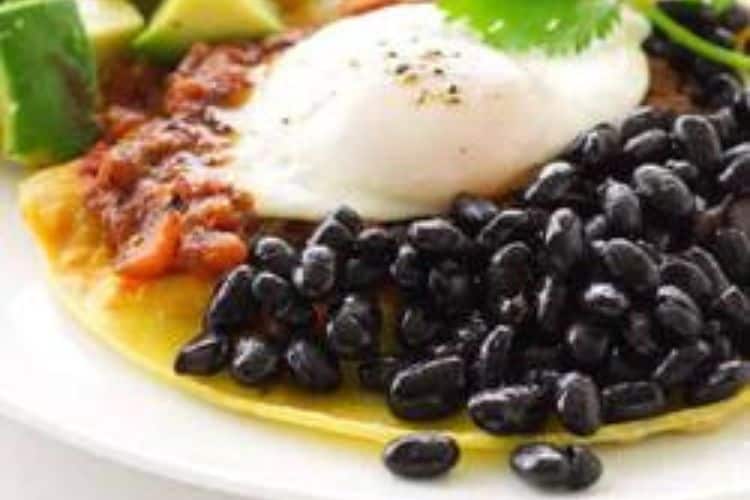
A high-protein black bean breakfast bowl brings together everything that makes a savory breakfast satisfying: warm seasoned beans, tender eggs, colorful vegetables, creamy avocado, and a bright spoonful of lime yogurt. It is hearty without needing a mountain of ingredients, and it offers a welcome change from sweet breakfasts such as cereal, pancakes, and overnight oats.
This recipe uses black beans as the foundation, then builds protein with eggs and plain Greek yogurt. Bell pepper, onion, and spinach add texture and color, while cumin, smoked paprika, and salsa give the bowl plenty of flavor. The result is a practical breakfast that feels equally appropriate for a relaxed weekend brunch or a busy weekday morning.
You can prepare the bean mixture ahead, change the toppings with the seasons, and adapt the bowl for different appetites. There is no need for protein powder or specialty ingredients. With a skillet, a few pantry staples, and about 25 minutes, you can make two generous servings of a breakfast worth repeating.
A good breakfast recipe should taste appealing, fit your schedule, and leave you satisfied with the meal you have eaten. This bowl combines contrasting flavors and textures instead of relying on one ingredient to do everything. The beans are earthy, the vegetables are lightly sweet, the eggs are tender, and the lime yogurt adds a tangy finish.
It is also a useful recipe when you want a vegetarian breakfast with familiar ingredients. Eggs and dairy supply concentrated protein, while black beans contribute additional protein and fiber. You do not have to choose between a bean bowl and an egg breakfast; combining them creates a more substantial meal.
Canned black beans are convenient, widely available, and easy to keep on hand. Once drained and rinsed, they need only a few minutes in the skillet to become the center of breakfast. Home-cooked black beans work equally well if you already prepare them in batches.
Their mild flavor makes them especially versatile. They take on smoky spices, fresh lime, salsa, and herbs without losing their own character. Because they hold their shape well, you can warm them with vegetables without turning the entire mixture into a puree.
If you are tired of eating the same breakfast, changing the seasoning or toppings can make this recipe feel different without changing the basic cooking method. One morning, use salsa verde and cilantro. Another day, add roasted tomatoes and a little crumbled feta.
That flexibility is helpful for using ingredients you already have. A small handful of spinach, half a bell pepper, or leftover roasted vegetables can all find a place in the bowl. The recipe becomes easier to repeat when it accommodates your kitchen rather than requiring a perfect shopping list.
This recipe makes two substantial breakfast bowls. Allow approximately 10 minutes for preparation and 15 minutes for cooking. Using cooked beans is essential for that timing; dried black beans must be cooked separately before you begin.
For the bean and vegetable mixture, gather one 15-ounce can of black beans, drained and rinsed, yielding approximately 1½ cups; two teaspoons olive oil, divided; one medium bell pepper, diced; half a medium onion, diced; two packed cups baby spinach; two minced garlic cloves; one teaspoon ground cumin; half a teaspoon smoked paprika; and two to four tablespoons water. Add salt and black pepper according to taste.
For the eggs and toppings, you will need four large eggs, half a cup plain nonfat Greek yogurt, one tablespoon fresh lime juice, half a medium avocado, and half a cup salsa. Chopped cilantro, sliced scallions, hot sauce, and extra lime wedges are optional. These quantities are for the entire two-serving recipe, so each bowl receives half of everything.
Plain Greek yogurt is important because flavored yogurt would introduce sweetness that clashes with the beans and spices. Choose a thick variety so the topping stays creamy after you add lime juice. If your yogurt is already loose, begin with less juice and adjust after tasting.
Use any color bell pepper you enjoy. Red, orange, and yellow peppers bring more sweetness, while green peppers provide a sharper flavor. Fresh spinach wilts quickly, but chopped kale can work if you give it extra cooking time and remove any tough stems.
Drain the canned beans in a strainer and rinse them well. Shake off excess water before cooking. Dice the pepper and onion into similarly sized pieces so they soften at roughly the same rate, and mince the garlic finely.
In a small bowl, combine the Greek yogurt and lime juice. Add a pinch of salt if desired, then refrigerate the mixture while you cook. Slice the avocado just before serving to keep its appearance fresh, and set out the salsa and any optional herbs.
Heat one teaspoon olive oil in a large nonstick skillet over medium heat. Add the onion and bell pepper, then cook for five to seven minutes, stirring occasionally. Look for softened vegetables with a few lightly browned edges rather than deeply caramelized pieces.
Stir in the garlic, cumin, and smoked paprika. Cook for about 30 seconds, just until fragrant. Keep the spices moving and avoid letting the garlic burn, which can give the entire mixture a bitter taste.
Add the drained beans and two tablespoons water to the skillet. Stir gently to coat the beans in the spices and vegetables. Cook for three to four minutes, adding another tablespoon or two of water if the pan becomes dry.
Mash a small spoonful of beans against the side of the skillet and stir them back into the mixture. This creates a lightly creamy texture while leaving most beans intact. Add the spinach and stir until wilted, then taste before adding salt, since the salsa will contribute seasoning later.
Transfer the bean mixture to a covered bowl or keep it warm over very low heat. In a second nonstick skillet, heat the remaining teaspoon olive oil over medium-low heat. Beat the four eggs in a bowl, pour them into the pan, and gently move them with a spatula as curds form.
Cook until the eggs are set, with no visible liquid egg remaining. Avoid high heat, which can make scrambled eggs tough before they finish cooking evenly. You can also use fully cooked fried eggs if you prefer separate eggs on top of the bowl.
Divide the warm bean mixture between two bowls and add half the eggs to each. Top each serving with one-quarter of the avocado, one-quarter cup salsa, and one-quarter cup lime Greek yogurt. Finish with cilantro, scallions, or hot sauce if you like.
Serve immediately while the beans and eggs are warm and the toppings are cool. Keep the components partly separate for a colorful presentation, then mix bites as you eat. A final squeeze of lime can brighten the whole bowl without requiring more salt.
Each bowl provides approximately 30 to 33 grams of protein when made with the ingredients and portions above. A reasonable rough estimate is 480 to 530 calories per serving, with about 45 to 50 grams of carbohydrate, 19 to 23 grams of fat, and 14 to 17 grams of fiber. These are estimates rather than laboratory-tested nutrition values.
The actual totals depend on the drained weight of the beans, egg size, avocado size, yogurt brand, and salsa. Optional cheese, tortillas, rice, or extra oil will change the numbers. For precise tracking, calculate the complete recipe using the labels on your ingredients and divide by two.
The two eggs in each serving contribute roughly 12 to 13 grams of protein. Three-quarters of a cup of black beans generally contributes around 10 to 11 grams, while a quarter cup of Greek yogurt adds approximately five to six grams. Vegetables and avocado provide smaller amounts.
This combination matters when adapting the recipe. Removing the eggs and leaving everything else unchanged will substantially reduce the protein. Similarly, replacing Greek yogurt with a low-protein plant yogurt may preserve the creamy texture without preserving the original protein content.
Two servings make this a generous breakfast, particularly because the recipe includes beans, vegetables, eggs, and avocado. If you prefer a smaller morning meal, divide the recipe into three portions and recognize that each will contain less protein than the two-serving version.
For a larger breakfast, add a warm corn tortilla, cooked quinoa, or roasted potatoes. Those additions can make the bowl more substantial, but they are optional. Begin with the base recipe, then adjust according to appetite and how the meal fits into your day.
The difference between an average breakfast bowl and a memorable one usually comes down to seasoning, moisture, and texture. Beans need enough liquid to stay tender, eggs benefit from gentle heat, and toppings should add contrast rather than bury the entire meal.
Taste the bean mixture before assembly, then taste a bite with salsa and yogurt. A component that seems slightly underseasoned alone may be just right once everything is combined. This is especially useful when working with salty salsa or adding cheese.
Even cooked beans can seem dry when reheated without liquid. A small splash of water helps distribute the seasonings and prevents the mixture from sticking. Add liquid gradually so the beans remain spoonable rather than soupy.
If you prefer a creamier base, mash a little more of the mixture. For firmer beans with distinct texture, stir less and mash only a tablespoon or two. Both approaches work; the goal is to match the texture to your preference.
The yogurt and avocado both add creaminess, but they play different roles. Avocado offers a mellow flavor and soft texture, while yogurt adds tang. Lime juice connects those toppings to the smoky beans and cuts through the richness of the eggs.
If the bowl tastes flat, try a squeeze of lime before adding more spices. If it tastes too sharp, use a little less salsa or lime yogurt and include extra avocado. Small adjustments often work better than adding several new toppings at once.
A crowded pan traps moisture and can make the vegetables steam before they develop any color. Choose a skillet wide enough to spread the onion and pepper across the bottom. If doubling the recipe, cook the vegetables in batches or use a larger pan.
The eggs also need enough room for gentle movement. Cooking a large batch in a small skillet makes it harder to achieve even results. Preparing the beans and eggs separately gives you better control over both components.
The basic black bean breakfast bowl can support several useful variations. Keep the smoky bean mixture as your starting point, then change one or two components. That approach preserves the balance of the recipe while giving you enough variety for repeat breakfasts.
Replace the four eggs with approximately 12 ounces of firm or extra-firm tofu, drained and crumbled. Sauté the tofu separately with a little oil, cumin, black pepper, and a small pinch of turmeric if you want a golden color. Fold it gently as it warms through.
Replace the Greek yogurt with plain unsweetened soy yogurt or a lime tahini sauce. Protein content will depend heavily on the tofu and yogurt brands, so recalculate instead of using the original nutrition estimate. A tahini topping changes both the flavor and the fat content.
For more protein without adding several additional whole eggs, cook two whole eggs with half a cup of liquid egg whites for the entire recipe. This replaces the original four eggs; it is not added on top of them. Use pasteurized carton egg whites and cook the mixture until fully set.
You can also keep the original recipe and serve a little additional Greek yogurt on the side. Measure the changes if you are calculating nutrition. Calling a bowl high-protein does not require making it as large as possible; choose a portion you enjoy eating.
Roasted sweet potato adds a slightly sweet contrast to the smoky beans. Cut the potato into small cubes, toss with a little oil, and roast separately until tender. Add a modest spoonful to each finished bowl rather than crowding the breakfast skillet with raw potato.
This variation is especially convenient when you have leftover roasted vegetables. Warm them thoroughly before adding the eggs and cool toppings. Sweet potato increases the overall carbohydrate and calorie content, which may suit a larger breakfast or brunch.
For a mild version, use mild salsa and omit hot sauce. Smoked paprika and cumin provide plenty of flavor without requiring chili heat. This makes the recipe easy to share with people who have different spice preferences.
For more heat, sauté a little diced jalapeño with the onion or add chipotle powder in small amounts. Taste as you go, especially when combining spicy salsa with additional peppers. You can always add hot sauce at the table.
Meal preparation works best when you store the warm base separately from the fresh toppings. Cook the beans and vegetables in advance, portion them into shallow airtight containers, and refrigerate promptly. Keep the yogurt sauce in a separate sealed container and wait to slice the avocado.
For straightforward home food handling, refrigerate cooked components within two hours (one hour if the temperature is above 90°F) and use refrigerated leftovers within three to four days. Keep the refrigerator at 40°F or below. Reheat cooked leftovers to 165°F, then add the refrigerated toppings after heating. These storage recommendations follow USDA food-safety guidance.
For the best texture, make the bean mixture ahead and cook eggs just before serving. Reheating one portion of beans in a skillet takes only a few minutes, especially with a small splash of water. You can scramble the eggs in another pan while the beans warm.
If your morning schedule requires a fully prepared meal, cooked scrambled eggs can be refrigerated alongside the beans. Their texture may become firmer after reheating. Use gentle heat and stop once the leftovers reach the appropriate temperature.
The bean and vegetable mixture is the most practical component to freeze. Cool it promptly, divide it into individual freezer containers, label with the date, and freeze. For best texture, aim to use it within two to three months.
Thaw a portion in the refrigerator before reheating, and add water as needed to restore moisture. Prepare fresh eggs, avocado, and yogurt sauce when serving. Freezing the entire assembled bowl can leave the toppings watery and the avocado less appealing.
This breakfast is substantial enough to stand alone, but simple sides can make it suitable for brunch. Warm corn tortillas are an easy choice because they can scoop up the beans and eggs. Whole-grain toast also works if that is what you already have.
For a fresh contrast, serve orange slices, berries, or a small fruit salad. When entertaining, set out salsa, herbs, lime wedges, and grated cheese separately so everyone can finish their own bowl. This keeps the cooking manageable while accommodating different preferences.
Yes, but cook them fully before starting this recipe. Substitute approximately 1½ cups of cooked, drained black beans for the canned beans. The breakfast cooking time assumes the beans are already tender and ready to eat.
Yes. Tofu scramble is a practical replacement because it adds substance and protein. Simply leaving out the eggs creates a smaller, lower-protein meal, so adjust the remaining ingredients if you want a similarly substantial bowl.
The basic ingredients are naturally gluten-free, but check packaged salsa, spices, and other additions if you need to avoid gluten. Serve with an appropriately labeled gluten-free tortilla rather than wheat toast when necessary.
Absolutely. Black beans work well in savory breakfasts because they pair easily with eggs, vegetables, salsa, and tortillas. If you are new to eating beans regularly, begin with a smaller portion and adjust according to your comfort.
Yes. Blend plain cottage cheese with lime juice for a smoother topping, or spoon it directly onto the bowl. Flavor, texture, sodium, and protein will vary by brand, so the original nutrition estimate will change.
A high-protein black bean breakfast bowl is a useful recipe to keep in your routine because it is flavorful, flexible, and built from everyday ingredients. Warm seasoned beans, gently cooked eggs, colorful vegetables, and cool toppings create a breakfast with plenty of contrast in every bite.
Start with the base recipe, choose toppings you enjoy, and prepare the bean mixture ahead when mornings are busy. Whether you keep it simple with salsa and lime yogurt or add tofu, roasted sweet potato, or fresh herbs, this bowl gives you an approachable way to enjoy a satisfying savory breakfast at home.
For more breakfast inspiration to complement this high-protein black bean breakfast bowl, try our High-Protein Cottage Cheese Breakfast Casserole for another savory option, or explore Weekly Breakfast Meal Prep Ideas to simplify busy mornings. Add variety with High-Protein Chickpea Breakfast Cookies and Cottage Cheese Snack Jars with Fruit and Nuts, or carry your favorite black bean, avocado, and salsa flavors into lunch with our Mexican Burrito Bowl.
Stay up to date on the latest women’s health, fitness and lifestyle trends and tips.
