



Sign up for workout ideas, training advice, reviews of the latest gear and more.

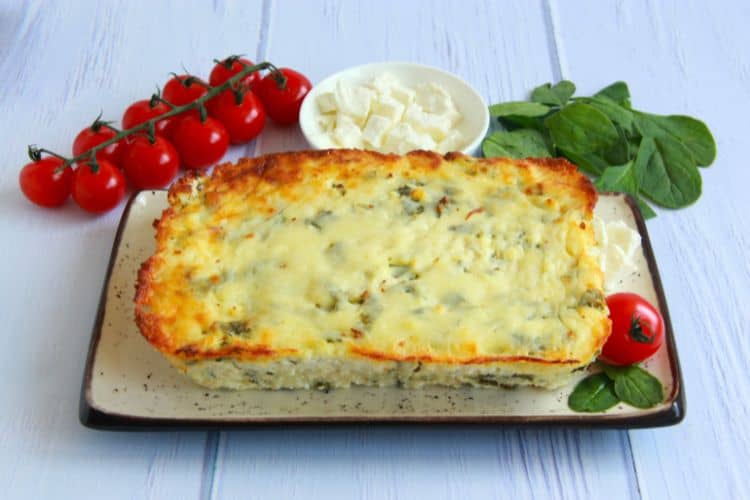


A warm breakfast that is ready when you are can make busy mornings easier. This high-protein cottage cheese breakfast casserole combines eggs, cottage cheese, vegetables, and a little cheddar in one pan. It is satisfying enough for a weekend brunch, yet practical enough to portion and reheat throughout the week.
Cottage cheese gives the casserole a creamy texture and adds protein without requiring a complicated recipe. Eggs hold everything together, while spinach, peppers, and onions bring color and flavor. The result is a sliceable breakfast bake that works on its own or alongside fruit, toast, or roasted potatoes.
You can prepare the casserole the night before, change the vegetables to suit what you have, and make the slices as generous or as small as your morning calls for. Below, you’ll find the full recipe, tips for avoiding a watery casserole, storage guidance, and ways to adapt it.
Prep time: 20 minutes
Cook time: 40–50 minutes
Rest time: 10 minutes
Yield: 8 servings
Equipment: 9-by-13-inch baking dish, large skillet, mixing bowl, whisk
Protein note: The protein per serving depends on the brands of cottage cheese and cheddar you use and how you divide the pan. If you track protein closely, calculate it from your ingredient labels.
Preheat your oven to 375°F (190°C). Lightly grease a 9-by-13-inch baking dish.
Warm the olive oil in a skillet over medium heat. Add the onion and bell pepper and cook for about 5 minutes, stirring occasionally, until they begin to soften. Add the spinach and cook for another 1–2 minutes, just until wilted. Take the skillet off the heat and let the vegetables cool slightly.
In a large bowl, whisk the eggs until the yolks and whites are combined. Whisk in the cottage cheese, garlic powder, smoked paprika, salt, and black pepper. Stir in the cooked vegetables and ¾ cup of the cheddar.
Pour the mixture into the prepared baking dish and spread the vegetables evenly through the pan. Sprinkle the remaining ¼ cup of cheddar over the top. Bake for 40–50 minutes, until the center is set and the top is lightly golden. A knife inserted near the center should come out without liquid egg on it.
Let the casserole rest for at least 10 minutes before slicing it into eight portions. Finish with green onions or parsley, if you like.
Cottage cheese is useful in a breakfast bake because it brings moisture, mild flavor, and protein to the egg mixture. As the casserole cooks, the eggs set around the cheese and vegetables. The finished texture is tender rather than dry, provided you stop baking once the center has set.
You do not need to blend the cottage cheese. Leaving the curds intact gives the casserole small, soft pockets throughout each slice. If you prefer a smoother texture, blend the cottage cheese briefly before whisking it into the eggs. Either approach works; choose the one that sounds most appealing to you.
Sharp cheddar gives the recipe a more pronounced cheese flavor without needing a large amount. Some goes into the egg mixture, and the rest browns on top. The onion, pepper, and spinach make each serving feel like a complete savory breakfast, but they can also be swapped for other vegetables.
Expect a savory egg bake with a creamy interior and a lightly browned, cheesy top. Cottage cheese has a gentle flavor here; the cheddar, vegetables, and seasonings are more noticeable. It does not taste like a bowl of plain cottage cheese.
The casserole is soft enough to eat on its own and firm enough to cut into squares after resting. Chilled leftovers become a little firmer, then soften again when reheated.
An egg casserole is simple, but the amount of water in the pan makes a big difference. Vegetables release moisture as they cook, so taking a few minutes to prepare them first helps the casserole set evenly.
The onion, pepper, and spinach in this recipe are cooked before they go into the baking dish. This softens the vegetables and lets some of their moisture evaporate in the skillet. If you add mushrooms, zucchini, or frozen spinach, this step matters even more.
For mushrooms, sauté them until the liquid they release has mostly cooked away. If using zucchini, cook it briefly and drain off excess moisture. Thaw frozen spinach completely, then squeeze it well before adding it. A vegetable mixture that looks wet in the skillet will also make the casserole wet.
Ovens and baking dishes vary, so use the 40–50 minute range as a guide. Start checking at 40 minutes. The edges should look set, the top should have a little color, and the middle should no longer look liquid when you gently move the dish.
If the top is browning quickly while the center still needs time, loosely cover the dish with foil and continue baking. An instant-read thermometer inserted into the center can provide an additional check; egg dishes should reach 160°F (71°C).
The casserole continues to settle after it leaves the oven. Cutting it immediately can make even a properly baked pan seem loose. Give it at least 10 minutes to rest. For especially neat portions, allow it to cool a little longer before slicing.
This cottage cheese breakfast casserole fits naturally into a breakfast meal prep routine. You can bake it in advance or assemble the components ahead of time and bake it fresh.
For the easiest weekday option, bake the casserole, let it cool, and divide it into portions. Refrigerate the slices in covered containers. Then you can reheat one serving at a time instead of warming the entire pan each morning.
If you want to serve it fresh for brunch, cook the vegetables the night before and refrigerate them separately. In the morning, whisk together the eggs, cottage cheese, and seasonings, stir in the vegetables and cheddar, and bake. This saves prep time without leaving the mixed eggs sitting overnight.
You can also fully assemble the unbaked casserole, cover it, and refrigerate it overnight. Keep it refrigerated until you are ready to bake, and expect that a cold dish may need a few additional minutes in the oven. If your baking dish is glass or ceramic, follow its manufacturer’s guidance about moving it from the refrigerator into a hot oven.
Store slices in single-serving containers once the casserole has cooled. Keeping portions separate makes them easy to pack and helps prevent repeated reheating of the whole batch. If you plan to add toast, fruit, or potatoes, pack those separately so their textures stay pleasant.
A square of casserole can also go into a breakfast sandwich. Reheat it until hot, then tuck it into a toasted English muffin or between slices of whole-grain bread. For a smaller breakfast, cut a square in half and serve it with fruit.
The recipe is flexible as long as you keep the basic egg and cottage cheese mixture and manage moisture in any ingredients you add. Use the original version as your starting point, then make one or two changes at a time.
Broccoli, mushrooms, asparagus, kale, and zucchini can all work in a breakfast casserole. Chop them into small pieces so they distribute evenly and are easy to cut through when serving. Cook them first, especially if they hold or release a lot of water.
For a broccoli version, use small florets and cook them until just tender. For kale, remove tough stems and sauté the leaves until wilted. Mushrooms pair well with cheddar, but give them enough skillet time to release their liquid.
You can also use leftover cooked vegetables. This is a convenient way to make a small amount of roasted broccoli, sautéed peppers, or cooked greens useful the next morning. Pat off excess moisture before stirring them into the eggs.
Sharp cheddar is an easy choice because its flavor comes through clearly. Monterey Jack makes a milder casserole, while a small amount of feta brings a saltier flavor. If using feta, taste the mixture’s other ingredients and consider reducing the added salt.
For a change of pace, try a combination of cheddar and pepper Jack. A little Parmesan on top can add a savory finish. Keep the total amount of shredded cheese close to the original recipe so the casserole’s proportions stay predictable.
Cooked turkey sausage, chicken sausage, or diced ham can make the casserole more substantial. Cook sausage completely before adding it, drain off excess fat, and let it cool slightly. Scatter the meat evenly through the dish so every slice gets some.
If you add a generous amount of meat, consider reducing the vegetables a little to avoid overfilling the baking dish. The casserole still needs enough egg mixture to surround the additions and hold each portion together.
For a gentle kick, add a pinch of red pepper flakes or a finely diced jalapeño to the vegetables as they cook. Serve the baked casserole with salsa or hot sauce so everyone can adjust the heat on their own plate.
A spoonful of salsa is especially good with the cheddar and bell pepper combination. Add it after baking rather than mixing a watery salsa into the egg mixture.
Yes. Either can work in this recipe. Full-fat cottage cheese tends to give the casserole a richer feel, while a lower-fat version can make it a little lighter. The brand matters, too: some cottage cheeses are thicker, and others contain more visible liquid.
If the container looks particularly watery, use a slotted spoon to transfer the cottage cheese to the mixing bowl or briefly drain off excess liquid. There is no need to press it dry. The aim is simply to avoid adding a pool of liquid along with the curds.
Choose a cottage cheese you enjoy eating. Its flavor is mild in the baked casserole, but using an ingredient you already like is a reliable place to start.
The casserole can be breakfast by itself, particularly when you want something quick and savory. Side dishes let you make it more filling or turn it into a brunch spread.
Fresh berries, orange slices, or melon bring a cool contrast to the warm eggs and cheese. Toast or an English muffin adds something crisp. For a leisurely breakfast, serve the casserole with roasted potatoes and a bowl of fruit.
If you enjoy a little brightness with savory eggs, add sliced tomatoes, avocado, or a spoonful of salsa to your plate. You could also set out hot sauce, chopped herbs, and green onions so people can finish their own portions.
For brunch guests, bake the casserole shortly before they arrive and let it rest while you prepare the sides. Because it serves eight, it is convenient to bring to the table in the baking dish and slice as needed.
Let the casserole cool, then transfer the slices to airtight containers and refrigerate them within two hours of baking. Eat refrigerated leftovers within 3–4 days.
To reheat an individual slice, place it on a microwave-safe plate and heat in short intervals until hot throughout. You can also warm slices in a covered oven-safe dish at 325°F (163°C) until heated through. Covering them helps keep the eggs from drying out.
For longer storage, wrap cooled slices individually, place them in a freezer-safe container, and freeze. Use them within about 2 months for the best texture. Thaw a slice overnight in the refrigerator, then reheat it thoroughly. Freezing may make the texture slightly less creamy, but individual portions remain useful for busy mornings.
Avoid leaving the casserole at room temperature through a long brunch. Set out the portions you expect to serve and return leftovers to the refrigerator promptly.
No. The eggs set the casserole, so this recipe does not need flour. Letting the finished pan rest before slicing helps the portions hold together.
Yes. Blend it until mostly smooth if you do not want visible curds in the finished casserole. The flavor stays similar, but the egg mixture will look more uniform. If you enjoy the soft pockets of cottage cheese, skip the blender.
The most likely causes are vegetables with too much moisture, particularly mushrooms, zucchini, or frozen spinach; cottage cheese with a lot of liquid; or a center that needs more baking time. Cook and drain vegetables as needed, and check that the middle has set before removing the dish from the oven.
A hot casserole may also release a little moisture when cut too soon. Resting it for 10 minutes gives the slices time to settle.
You can, but a smaller dish makes the casserole deeper and changes the baking time. Watch the center carefully and continue baking until it is fully set. Do not fill the dish to the rim; leave room for the mixture to rise slightly.
You can replace some of the whole eggs with liquid egg whites if you prefer. The casserole may be a little less rich and could bake differently, so begin checking it early and judge doneness by the center. Keeping some whole eggs gives the bake its familiar flavor and texture.
Once you have made this high-protein cottage cheese breakfast casserole, it is easy to adapt it to your routine. Keep the eggs and cottage cheese as the base, use cooked vegetables to control moisture, and bake until the center sets. You will have a warm breakfast for a group or ready-to-reheat slices for the days ahead.
Start with the spinach, pepper, and cheddar version, then try a different vegetable or seasoning the next time you make it. A dependable breakfast recipe is even more useful when it can change with what is already in your refrigerator.
If you enjoy making this cottage cheese breakfast casserole ahead of time, explore these Weekly Breakfast Meal Prep Ideas for more ways to simplify mornings. For another way to use cottage cheese, try the Cottage Cheese Snack Jars With Fruit And Nuts. You can add variety to your breakfast rotation with High-Protein Apple Pie Overnight Oats or High-Protein Chickpea Breakfast Cookies. If you plan to eat a slice around a morning training session, see these Breakfast Ideas Before a Workout.
Stay up to date on the latest women’s health, fitness and lifestyle trends and tips.
