





Sign up for workout ideas, training advice, reviews of the latest gear and more.

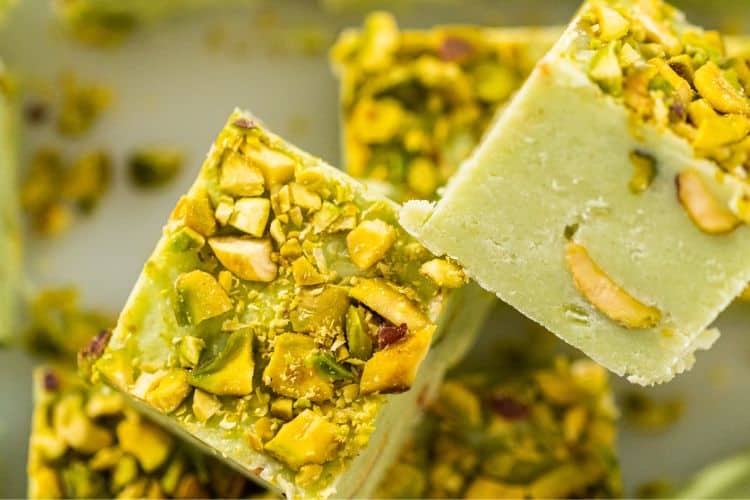
Pistachio yogurt protein bark brings together tangy Greek yogurt, crunchy roasted pistachios, and a delicate drizzle of dark chocolate in one easy frozen snack. It tastes refreshing and slightly indulgent, yet the recipe starts with familiar ingredients you can keep in your refrigerator and pantry. There is no baking, no complicated equipment, and no need to purchase protein powder. A bowl, a lined baking sheet, and a little freezer space are enough to get started.
For women looking for convenient snacks between work, errands, and workouts, this recipe offers a practical alternative to another packaged bar. You can prepare a batch ahead of time, break it into portions, and keep the pieces ready for those moments when something cold and lightly sweet sounds appealing. The pistachios provide a satisfying crunch, while Greek yogurt gives the bark its creamy base and most of its protein.
The key to successful frozen yogurt bark is understanding its texture. It will be firm straight from the freezer and soften quickly at room temperature. This is a frozen yogurt treat rather than a shelf-stable chocolate bark, so it needs to stay frozen until serving. With the right yogurt, a balanced amount of sweetener, and an even layer, you can create pieces that are easy to break and enjoyable to eat.
Pistachio yogurt protein bark is a thin layer of sweetened Greek yogurt topped with chopped pistachios, frozen until firm, and broken into snack-size pieces. Dark chocolate, vanilla, and a small pinch of salt round out the flavor. The finished bark combines creamy, crunchy, sweet, and tangy elements without requiring an oven.
The word “protein” refers primarily to the Greek yogurt in this recipe. Pistachios contribute additional protein, but their main culinary roles are flavor and texture. You do not need a protein supplement to make the recipe worthwhile. If you add protein powder, the taste, consistency, and nutrition will depend on the product you choose.
This version uses a moderately thick layer so the yogurt does not disappear beneath the toppings. A thin chocolate drizzle gives each piece a little richness without turning the entire recipe into a chocolate-covered dessert. Because the ingredients are easy to adjust, you can make the bark sweeter, tangier, or more strongly flavored with pistachios.
Thick Greek yogurt spreads neatly and supports toppings better than a runny yogurt. It also gives the recipe a substantial dairy base without requiring cream cheese or whipped topping. Plain yogurt lets you control the sweetness and makes the vanilla and pistachio flavors easier to balance.
Whole-milk Greek yogurt generally produces a richer frozen texture, while a 2% version is a useful middle ground. Nonfat Greek yogurt also works, although it may freeze harder and taste more noticeably tart. Whatever variety you use, choose a yogurt you enjoy eating on its own. Freezing will not hide an unpleasant flavor.
The appeal of pistachio yogurt bark is its simplicity. Most of the work involves stirring the yogurt, chopping the nuts, and spreading everything onto a baking sheet. The freezer handles the rest. This makes the recipe convenient for an evening preparation session or a weekend batch alongside other snacks.
It is also adaptable without becoming complicated. You can leave off the chocolate, add a little citrus zest, or use a different sweetener. The base recipe does not depend on expensive pistachio cream or specialty ingredients. Shelled pistachios, plain Greek yogurt, honey, vanilla, and a little dark chocolate provide plenty of flavor.
Another advantage is that portions are flexible. Break the sheet into small pieces for a bite after lunch or larger pieces for a more substantial snack. For consistent portions and nutrition estimates, divide the finished batch into eight equal servings. Irregular pieces are attractive, but their size can vary considerably.
For one batch, use 2 cups, approximately 450 grams, of plain Greek yogurt; 2 tablespoons of honey; 1 teaspoon of vanilla extract; ½ cup, approximately 60 grams, of shelled pistachios; and 1 ounce, approximately 28 grams, of dark chocolate. Add a small pinch of salt if your pistachios are unsalted. These quantities make approximately eight servings.
The recipe takes about 15 minutes of active preparation, followed by approximately three to four hours of freezing. Freezing time varies with the thickness of the bark, the temperature of your ingredients, and your freezer. Allow longer if the center still feels soft. The bark should be firm throughout before you lift it from the parchment.
Roasted, shelled pistachios are especially convenient because they are ready to chop and provide a pronounced nutty flavor. Unsalted pistachios give you the most control over seasoning. Lightly salted pistachios also work well; simply omit the additional salt and taste the yogurt mixture before adding any more.
Chop the pistachios into a mixture of small and medium pieces. Very large nuts can fall off the bark or make it harder to bite, while finely ground pistachios lose some crunch. A rough chop creates an appealing distribution and helps each serving contain some pistachio topping.
Honey softens the yogurt’s tartness and blends easily into the base. Maple syrup can replace it in the same amount, although the flavor changes slightly. Start with the suggested quantity, taste the mixture, and adjust before freezing. Frozen foods often taste less sweet than they do when chilled.
Vanilla helps connect the dairy, nut, and chocolate flavors. Dark chocolate adds contrast, but you can use milk chocolate if that is your preference. The cocoa percentage is a matter of taste. Choose a chocolate you like and keep the drizzle light enough that it does not overwhelm the pistachios.
Line a rimmed baking sheet with parchment paper. Check that the sheet fits flat in your freezer before spreading the yogurt. If a large sheet will not fit, use two smaller trays or a shallow freezer-safe container lined with parchment.
The rim helps contain the mixture during spreading, but you will not fill the entire tray. Aim for a rectangle approximately 8 by 10 inches. Parchment makes the frozen slab easier to lift and reduces sticking. Leave a little paper extending beyond the edges so you can grip it when the bark is firm.
Add the Greek yogurt, honey, vanilla, and optional salt to a mixing bowl. Stir until smooth and evenly combined. Scrape around the sides and bottom of the bowl so there are no pockets of honey remaining.
Taste a small spoonful before proceeding. If the yogurt is especially tart, add another teaspoon of honey and taste again. You want a pleasant balance while remembering that the chocolate will add sweetness. If liquid has collected on top of the yogurt, pour off that loose liquid before measuring for a thicker base.
Spoon the yogurt mixture onto the lined baking sheet and spread it into the prepared rectangle. Aim for approximately ¼ inch thickness. Use the back of a spoon or a spatula to smooth the surface and bring the edges to roughly the same thickness as the center.
An even layer freezes more consistently and breaks into manageable pieces. Extremely thin edges become brittle, while a very thick center can be difficult to bite. The shape does not need to be perfect. Focus on consistent thickness and leave room around the yogurt so you can lift the parchment later.
Scatter the chopped pistachios evenly across the yogurt. Press them gently into the surface with clean fingertips or the back of a spoon. This small step helps the toppings remain attached after freezing and breaking.
Melt the chocolate in a microwave-safe bowl in short intervals, stirring frequently, or use a bowl over gently simmering water. Once smooth, drizzle it over the yogurt with a spoon. Let very hot chocolate cool slightly before drizzling so it does not melt channels into the yogurt. Keep the lines thin for easier breaking.
Place the baking sheet flat in the freezer and freeze for approximately three to four hours. Avoid disturbing it during the initial setting period. If you need to freeze it overnight, loosely cover the tray once the surface is firm to help protect it from freezer odors.
Check the center before removing the sheet. It should feel solid rather than soft or bendable. Lift the slab using the parchment, then break it into approximately eight portions. If you prefer more regular shapes, let it soften very briefly and use a sturdy knife on a cutting board.
Enjoy a portion after allowing it to sit for a minute or two, if needed, to take off the deepest chill. Return the remaining pieces to the freezer promptly. The bark becomes soft as it warms, so serve small amounts at a time.
For storage, place the pieces in an airtight freezer-safe container with parchment between layers. Label the container with the preparation date. Keeping the pieces separated makes it easier to remove one serving without thawing the whole batch or pulling apart pieces that have frozen together.
The easiest way to improve texture is to begin with a thick yogurt. A watery base tends to form a harder, icier sheet. Greek yogurt is a good starting point, but consistency varies by brand. If your yogurt pours easily, strain it in the refrigerator before using it.
You can strain yogurt in a fine-mesh sieve lined with cheesecloth over a bowl. Even a short straining period can remove some excess liquid. Measure the yogurt after straining so the recipe proportions remain consistent. Avoid thinning the mixture with milk, juice, or water.
A little honey improves flavor, but more is not always better. Too much liquid sweetener can make the mixture loose and the finished bark sticky as it softens. Adjust in small amounts and keep track of additions if you are calculating nutrition.
If you use a non-sugar sweetener, follow the product’s substitution guidance. Some products are much sweeter than honey, and others create an aftertaste that becomes more noticeable in a simple yogurt recipe. Sweetener substitutions may also change the frozen texture, so expect some variation.
Fresh fruit can taste wonderful with pistachios, but wet toppings add moisture. If you include berries, wash them ahead of time and dry them thoroughly. Slice large fruit into small pieces and use a light scattering rather than a thick layer.
Frozen fruit can become hard in the finished bark. Freeze-dried fruit offers a different option because it adds flavor without as much moisture. For your first batch, consider making the basic pistachio and chocolate version so you can judge the texture before experimenting with additional toppings.
Nutrition depends on the yogurt, chocolate, and portion size. Using plain 2% Greek yogurt with approximately 10 grams of protein per 100 grams, the base recipe provides roughly 120 to 130 calories and about 7 grams of protein per serving when divided into eight equal portions. Treat these figures as estimates rather than exact values.
A similar serving may contain approximately 8 to 10 grams of carbohydrate and 6 to 7 grams of fat. Different yogurt labels, a sweeter chocolate, or extra honey can change the totals. For accurate tracking, calculate the complete recipe using your ingredient labels and divide by the number of equal servings.
Portion size matters when describing this as a protein snack. One small shard may contain relatively little protein, while two equal servings provide approximately 14 grams using the assumptions above. The name does not mean that every piece supplies the protein of a full meal. Choose an amount that fits the rest of your eating pattern.
If you want additional protein, mix in one serving of vanilla or unflavored protein powder according to its label. Start by combining the powder with a small portion of yogurt until smooth, then stir that mixture into the remaining base. Let it sit briefly and check the consistency.
Protein powders behave differently. Some make yogurt chalky, while others thicken it substantially. If necessary, add another spoonful of yogurt rather than a large splash of liquid. Recalculate the nutrition with your chosen powder, and taste before adding the honey because many vanilla powders are already sweetened.
For a more chocolate-forward version, stir a small amount of unsweetened cocoa powder into part of the yogurt mixture and swirl it through the plain base. Start with 1 teaspoon of cocoa powder, taste, and adjust the sweetness if needed.
Keep some of the yogurt unswirled so the finished bark still has contrasting flavors. Add the pistachios and chocolate drizzle as usual. Cocoa can make the base taste more bitter, so a modest amount is generally easier to balance than a heavily flavored chocolate layer.
Scatter a small handful of fresh raspberries over the yogurt alongside the pistachios. Tear larger raspberries into smaller pieces and make sure they are dry. Their tart flavor complements the honey and gives the bark another layer of texture.
You can also crush a few freeze-dried raspberries over the surface. They offer concentrated berry flavor and distribute easily across the yogurt. Avoid adding large amounts of raspberry puree, which can loosen the base and create icy patches.
Add approximately ½ teaspoon of finely grated lemon zest to the yogurt mixture for a brighter flavor. Use only the colored outer peel and avoid the bitter white pith. Zest adds citrus aroma without introducing the extra liquid of a generous squeeze of juice.
This variation is particularly appealing without chocolate, although a little white chocolate also pairs well with lemon and pistachios. White chocolate changes the sweetness and nutrition, so use a restrained drizzle and taste the yogurt base before adding extra honey.
Swirl 1 to 2 tablespoons of pistachio butter through the spread yogurt before adding the chopped nuts. Pure pistachio butter intensifies the nut flavor, while sweetened pistachio cream adds more sweetness and may contain additional ingredients.
Check the label and adjust the honey accordingly. If the butter is very thick, stir it well at room temperature before using. Small dots swirled with a spoon are easier to distribute than one large mound in the center of the bark.
Store the bark in an airtight container in the freezer and aim to enjoy it within two to three weeks for the best texture and flavor. This is a quality guideline, and results depend on your freezer and packaging. Exposure to air can lead to surface ice and stale flavors.
Separate the layers with parchment and keep the container toward the back of the freezer, where the temperature is usually more consistent. Repeatedly leaving the entire batch on the counter allows the pieces to soften and can encourage them to freeze into one block when returned.
Do not store finished bark in the refrigerator if you want it to retain its shape. Refrigeration turns it back into a soft yogurt mixture. If you are taking it somewhere, use an insulated bag with sufficient frozen packs and plan to eat it while still frozen. A conventional lunch bag will not maintain its texture for long.
Pistachio yogurt protein bark works well as a frozen afternoon snack or a small dessert after dinner. Serve it on a chilled plate and bring out only the amount you expect to eat. For a larger dessert spread, keep additional portions in the freezer and replenish the plate as needed.
If you want it after a workout, consider your overall meal timing and appetite. A small piece can be enjoyable, but it may not be a substantial recovery snack by itself. Pair a portion with other food, such as fruit or a separate serving of yogurt, when you need something more filling.
For meal prep, chop extra pistachios and store them separately so the next batch takes less time. You can also make two smaller trays with different toppings using the same yogurt base. Label each container so you can distinguish the basic recipe from versions containing protein powder or other additions.
The most common problem is spreading the yogurt too thickly. A deep slab freezes slowly and may be uncomfortable to bite straight from the freezer. Keep the layer close to ¼ inch and allow it to soften briefly before eating if it feels excessively hard.
Another mistake is adding toppings without pressing them into the yogurt. Nuts resting loosely on the surface may tumble off when the bark breaks. Gentle pressure anchors them without burying all of their texture. Also avoid stacking unfrozen or partially softened pieces together during storage.
Finally, do not expect frozen yogurt bark to behave like room-temperature chocolate bark. It will soften, and that is normal. Plan around its frozen nature, use a container that closes tightly, and serve it in portions. These simple habits make the recipe easier to enjoy consistently.
Yes. The base recipe contains no protein powder and relies on Greek yogurt, with a smaller contribution from pistachios. The amount of protein per serving depends on the yogurt label and how you portion the finished sheet.
Yes, but regular yogurt is often thinner and may produce an icier bark. Straining it first can help. Measure 2 cups after straining, and remember that the protein content may differ from the Greek yogurt version.
Use a thick dairy-free yogurt you enjoy, along with maple syrup if desired. Check its label because protein content varies considerably. Choose dairy-free chocolate as well. This variation may have a different frozen texture and cannot automatically use the same nutrition estimate.
Frozen yogurt naturally becomes firm, especially when made with nonfat yogurt or spread thickly. Allow a serving to stand briefly before eating, choose a richer yogurt next time, and make sure the layer is even. Avoid biting it while uncomfortably hard.
Yes. Lightly salted pistachios provide a pleasant contrast with the sweet yogurt and chocolate. Omit the added pinch of salt, and avoid heavily seasoned pistachios unless their flavor suits the recipe.
The standard recipe contains dairy and pistachios, so it is unsuitable for people who need to avoid those ingredients. Chocolate and optional protein powders may introduce additional allergens. Check each label when preparing the bark for someone with a food allergy.
Pistachio yogurt protein bark is an easy recipe to keep in your snack rotation when you want something cold, creamy, and crunchy. Start with thick Greek yogurt, sweeten it lightly, and spread it evenly before adding the pistachios and chocolate. Give it enough time to freeze completely, then portion and store it promptly.
Once you have tried the basic recipe, adapt it to your taste with lemon zest, raspberries, or a pistachio butter swirl. Keep the ingredient balance simple and the toppings manageable. A little preparation gives you a freezer-ready treat that is easy to serve, flexible to customize, and full of satisfying pistachio flavor.
If you enjoyed this pistachio yogurt protein bark, add variety to your snack routine with our Cottage Cheese Snack Jars with Fruit and Nuts and Peanut Powder Protein Balls. For more sweet meal-prep ideas, try High Protein Apple Pie Overnight Oats or High Protein Chickpea Breakfast Cookies, then explore our Weekly Breakfast Meal Prep Ideas to plan easy options for busy days.
Stay up to date on the latest women’s health, fitness and lifestyle trends and tips.
