



Sign up for workout ideas, training advice, reviews of the latest gear and more.

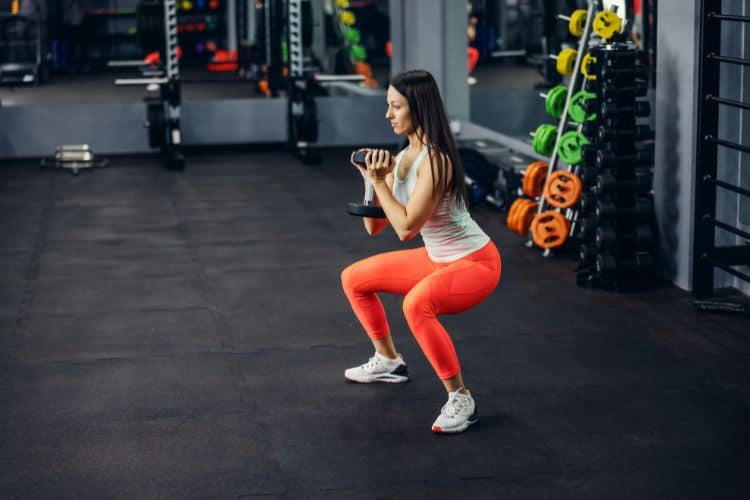
A well-designed glute and hamstring dumbbell superset workout can help you build a stronger, more balanced lower body without requiring a barbell or a crowded gym. By pairing two exercises and performing them back to back, you can challenge the muscles efficiently, keep the session moving, and complete a productive workout in less time. This training style works especially well for the glutes and hamstrings because these muscles cooperate during hip extension, hinging, walking, running, climbing stairs, and lifting objects from the floor.
The workout below combines strength-focused movements with controlled isolation exercises. All you need is dumbbells, a stable bench or chair, and enough floor space to move comfortably. It can be completed at home or in the gym and adjusted for different fitness levels.
The glutes and hamstrings make up a large part of the posterior chain, the group of muscles along the back of the body. Both muscle groups contribute to extending the hips, which occurs when you rise from a squat, stand after bending over, or drive your body forward during a run. Training them together creates a practical lower-body session that supports strength, posture, athletic performance, and everyday movement.
Although they work as a team, the muscles have distinct roles. The gluteus maximus extends the hip, the gluteus medius and minimus stabilize the pelvis, and the hamstrings extend the hip and bend the knee. A complete workout should therefore include hinges, bridges or thrusts, knee-dominant movements, and unilateral exercises.
A superset consists of two exercises performed consecutively with little or no rest between them. After finishing both exercises, you rest before beginning the next round. In this workout, each pairing targets the glutes and hamstrings from slightly different angles. For example, a dumbbell Romanian deadlift emphasizes the hip hinge, while a glute bridge creates high tension near full hip extension.
Supersets increase training density, meaning you complete more work in a given amount of time. They can also create a noticeable muscular burn because the targeted areas receive limited recovery between exercises. However, moving faster should never mean rushing through poor-quality repetitions. Use weights that allow you to maintain control and take additional rest whenever your technique begins to deteriorate.
Use heavier dumbbells for bilateral deadlifts, squats, and thrusts and lighter ones for lunges or single-leg work when possible. If you have one pair, adjust the repetitions or tempo. You will also need a nonslip bench or sturdy chair for thrusts and split squats; a mat is optional.
The correct weight should make the final two or three repetitions of a set feel difficult while still allowing you to complete them with good form. On a perceived exertion scale of one to ten, most working sets should feel like a seven or eight. This generally means you could perform about two or three more controlled repetitions if necessary.
Beginners should start conservatively and learn the movement patterns before chasing fatigue. More experienced lifters can use heavier weights for bilateral exercises and moderate weights for unilateral exercises. Because different movements have different strength demands, do not expect to use the same dumbbells throughout the entire workout.
If the target repetitions feel easy and your technique remains consistent, increase the weight slightly during your next session. If you cannot maintain a neutral spine, control the lowering phase, or reach the minimum repetition target, reduce the load. Progress comes from gradually increasing an appropriate challenge, not from selecting the heaviest dumbbells available.
Spend approximately five to eight minutes preparing your hips, knees, hamstrings, and core. Begin with easy movement such as marching in place or walking briskly. Then perform bodyweight good mornings, glute bridges, alternating reverse lunges, and squat-to-stands. Complete about eight to ten controlled repetitions of each exercise.
During the warm-up, focus on the patterns you will use in the workout. Practice pushing your hips backward during the good morning, squeezing your glutes at the top of the bridge, and keeping the front knee aligned with the toes during lunges. Finish with one light practice set of Romanian deadlifts and squats before starting the first superset.
Complete the paired exercises in order. Perform exercise A1, transition to A2 with only enough time to get into position, and then rest for 60 to 90 seconds. Repeat the pair for the prescribed number of rounds before moving to the next superset. Beginners can complete two rounds of each pairing, while intermediate and advanced exercisers can complete three or four rounds.
The full workout usually takes about 40 to 55 minutes, including the warm-up and cooldown. Use a controlled two- to three-second lowering phase whenever possible. Quality repetitions, a comfortable range of motion, and steady breathing matter more than speed.
Perform 10 to 12 dumbbell Romanian deadlifts, followed immediately by 15 to 20 dumbbell glute bridges. Complete three rounds and rest for 75 to 90 seconds after each pair.
For the Romanian deadlift, stand with your feet about hip-width apart and hold the dumbbells in front of your thighs. Soften your knees, brace your core, and push your hips backward as the dumbbells travel close to your legs. Lower only as far as you can while keeping your spine neutral and feeling tension through the hamstrings. Drive your feet into the floor and squeeze your glutes to return to standing. Avoid turning the exercise into a squat or leaning backward at the top.
For the dumbbell glute bridge, lie on your back with your knees bent and feet planted. Position one dumbbell securely across the front of your hips and hold it in place. Lightly tuck your pelvis, brace your abdomen, and press through your feet to lift your hips. Pause and squeeze your glutes at the top without overextending your lower back. Lower slowly until your hips nearly touch the floor, then begin the next repetition.
This pairing challenges the posterior chain in two complementary positions. The Romanian deadlift loads the glutes and hamstrings while they lengthen, and the bridge emphasizes glute contraction near the top of hip extension.
Perform 8 to 10 Bulgarian split squats per side, followed by 8 to 10 single-leg Romanian deadlifts per side. Complete three rounds and rest for 75 to 90 seconds after each pair.
Stand a short distance in front of a stable bench and place the top of one foot behind you. Hold the dumbbells by your sides and keep most of your weight through the front foot. Bend the front knee and lower your hips under control. A slight forward torso lean can increase glute involvement, provided your back remains neutral. Press through the whole front foot to stand. Adjust your distance from the bench if you feel cramped or unstable.
For the single-leg Romanian deadlift, hold one or two dumbbells and shift your weight onto one leg. Keep a small bend in the standing knee. Hinge at the hips as the other leg extends behind you, keeping your hips mostly square to the floor. Lower the weights only as far as you can maintain balance and hamstring tension, then drive the standing foot down and bring your hips forward.
If balance limits your effort, use a kickstand stance instead. Place the toes of the nonworking foot lightly behind you and keep most of your weight on the front leg. You can also hold one dumbbell while using your free hand to touch a wall or chair. Stability assistance is not cheating; it may help you train the target muscles more effectively.
Perform 12 to 15 dumbbell sumo squats, followed by 20 to 25 frog pumps. Complete three rounds and rest for 60 to 75 seconds after each pair.
For the sumo squat, stand wider than shoulder width with your toes turned out slightly. Hold one dumbbell vertically in front of your body. Brace your core and sit your hips down between your legs while tracking your knees in the direction of your toes. Keep your feet planted and your chest comfortably lifted. Push through the floor and squeeze your glutes as you stand.
To perform frog pumps, lie on your back, bring the soles of your feet together, and allow your knees to open. Place a dumbbell across your hips if bodyweight repetitions are too easy. Brace your abdomen and lift your hips by squeezing the glutes. Keep the movement controlled and avoid creating range by arching your lower back. This higher-repetition exercise is intended to produce focused glute tension after the compound squat.
If the frog-leg position feels uncomfortable in your hips or groin, replace frog pumps with standard dumbbell glute bridges. A productive modification should fit your body rather than force you into an irritating position.
Perform 8 to 12 dumbbell reverse lunges per side, followed by 8 to 12 hamstring walkouts. Complete two or three rounds and rest for 60 to 90 seconds after each pair.
For the reverse lunge, stand tall with a dumbbell in each hand. Step one foot backward and lower into a lunge while keeping the front foot firmly planted. Press through the front foot to return to standing. A longer step and a modest forward torso lean typically place more emphasis on the glutes, while an excessively short step may crowd the front knee. Move smoothly and keep the pelvis level.
For hamstring walkouts, lie on your back with your knees bent and lift into a glute bridge. Take several small heel steps away from your hips while keeping your pelvis elevated, then walk your heels back toward your body. That complete trip out and back counts as one repetition. Keep the steps short and stop the set if your hips drop significantly or your hamstrings begin to cramp.
Hamstring walkouts can be demanding even without dumbbells. Beginners can perform bridge heel slides on a smooth surface, shorten the walking distance, or substitute an isometric bridge hold for 20 to 30 seconds.
Beginners can complete two rounds of each main superset, skip the finisher, and rest for up to two minutes. Use bodyweight when adding dumbbells compromises control, replace Bulgarian split squats with stationary split squats, and perform kickstand rather than unsupported single-leg deadlifts. Intermediate exercisers can follow the workout as written. Advanced lifters may complete a fourth round of the first two pairings or add a controlled pause to the deadlifts and hip thrusts. Choose one progression at a time so fatigue does not undermine technique.
During hip hinges, think about moving your hips backward rather than simply lowering the dumbbells. The weights should remain close to your legs, and your shins should stay relatively vertical. You do not need to touch the dumbbells to the floor. Your stopping point is determined by hamstring flexibility, hip mobility, and your ability to maintain a controlled spinal position.
During bridges and thrusts, finish the movement by squeezing the glutes, not by forcing the lower back into an exaggerated arch. Keeping the ribs stacked over the pelvis and the chin slightly tucked can help. Foot placement also matters. If your feet are too far away, the hamstrings may dominate or cramp; if they are too close, you may feel more quadriceps involvement.
For lunges and split squats, maintain contact through the heel, base of the big toe, and base of the little toe of the front foot. Allow the knee to track naturally in line with the toes. A knee moving forward is not automatically a problem, but the movement should remain comfortable and controlled.
Do not let the superset format turn controlled strength work into a race. Avoid momentum, choose different weights when movements have different demands, and use only the range of motion you can control. Lowering farther is not beneficial if your position breaks down. Most sets should also end with one to three clean repetitions in reserve rather than at absolute failure.
Use the workout once or twice per week depending on your total training schedule and recovery. Record the weight, repetitions, and number of rounds you complete. When you can reach the top of the repetition range for every set with consistent form, increase the dumbbell weight by the smallest available amount.
If heavier dumbbells are unavailable, add one or two repetitions, slow the lowering phase, pause at the hardest point, or improve your range of motion. You can also progress from supported single-leg movements to unsupported versions. Change only one or two variables at a time so you can tell whether you are genuinely getting stronger.
A simple four-week progression works well. Establish appropriate weights in week one, add repetitions in week two, increase the load on the main movements in week three, and maintain that load with excellent control in week four. Afterward, take a lighter week if fatigue has accumulated or begin a new cycle with slightly heavier starting weights.
Most people can train these muscles twice per week when volume and intensity are appropriate. Perform this workout on one day and a lighter lower-body or full-body session later in the week. If performance declines or soreness continually interferes with movement, reduce the sets or add another recovery day.
After the final set, walk slowly until your breathing settles, then perform gentle glute, hamstring, and hip flexor stretches if they feel comfortable. Support recovery with balanced meals, adequate protein, hydration, sleep, and enough time between demanding lower-body sessions.
Your back muscles work isometrically to maintain position, so some muscular effort is normal. However, the main sensation should generally be tension in the hamstrings and glutes. If you experience sharp or increasing back pain, stop the exercise. Review your bracing, reduce the weight and range of motion, or consult a qualified healthcare or fitness professional for individual guidance.
It can be, provided the exercises and training volume match the individual’s ability, health, and experience. Start with conservative weights, use stable modifications, and allow adequate recovery. Anyone managing an injury, pelvic floor symptoms, balance concerns, osteoporosis, or another medical condition should seek individualized guidance before starting a new exercise program.
This glute and hamstring dumbbell superset workout combines the major ingredients of effective posterior-chain training: hip hinges, bridges or thrusts, squats, lunges, unilateral work, and direct hamstring exercises. The supersets make the session efficient, while the mix of movement patterns trains the lower body more completely than relying on one favorite exercise.
Start at the level that allows you to control every repetition. Track your weights and repetitions, progress gradually, and give your body time to recover. When performed consistently, this workout can help you develop stronger glutes and hamstrings, improve lower-body stability, and build confidence with dumbbell strength training at home or in the gym.
Continue building lower-body strength with this 4 Week Progressive Overload Glute Workout, which provides a structured plan for gradually challenging your glutes. For a longer leg-training session, try the 45 Minute Muscle Building Dumbbell Leg Workout. You can add more time-efficient pairings with the 35 Minute Full Body Dumbbell Superset Workout, or establish a complete strength foundation with the Beginner Dumbbell Workout Plan for Women. Women entering midlife can also use this Progressive Overload Plan for Women Over 40 to continue increasing resistance safely and consistently.
Stay up to date on the latest women’s health, fitness and lifestyle trends and tips.
