


Sign up for workout ideas, training advice, reviews of the latest gear and more.

Want a workout schedule that makes room for challenging lifts, a little conditioning, and enough recovery to come back stronger? This 8-day SplitLean workout offers a repeatable training cycle for women who want to build strength and muscle while improving overall fitness. Each session has a purpose. Lower-body and upper-body workouts give major muscle groups focused attention, a full-body day brings the movements together, and easier days help you recover before the next round.
“Toning” is often used to describe a firmer, more defined appearance. In practical terms, the training part of that goal means building or preserving muscle. Changes in body fat, when desired, depend on overall habits including food intake, activity, sleep, and consistency. No specific exercise can selectively remove fat from one area. This program focuses on what you can control during each session: sound technique, useful effort, gradual progression, and a schedule you can actually repeat.
The eight-day cycle is deliberate. It does not need to line up with Monday through Sunday. After day eight, return to day one. This gives you a little more flexibility than forcing every muscle group into a seven-day calendar. You can also add an easy day when life or recovery calls for one. The goal is to train well over months, rather than rush through eight days once.
SplitLean is a practical name for this strength-focused split with modest conditioning. It is not a special exercise or a promise of rapid fat loss. The plan divides training across lower body, upper body, full body, and recovery so you can work hard without making every session equally demanding. You will use basic movement patterns such as squatting, hinging, pushing, pulling, carrying, and bracing. Those movements give the routine its structure and make progress easy to recognize.
This version works best for someone who already knows the basics of dumbbell or gym training. Beginners can use the modifications below, start with fewer sets, and spend the first cycle learning the movements. Most workouts take about 35 to 55 minutes, depending on rest periods and equipment. You can complete the plan with dumbbells, a bench or sturdy step, and a resistance band. At a gym, cable machines and barbells can substitute where noted.
Day one trains lower-body strength. Day two emphasizes upper-body strength. Day three is active recovery. Day four combines full-body strength and short conditioning intervals. Day five concentrates on glutes and legs with slightly higher repetitions. Day six trains the upper body and core. Day seven is an easy aerobic and mobility day. Day eight is a full-body performance session that lets you practice the main lifts again without turning the workout into an all-out test. Once you finish, start a new cycle or take another recovery day if needed.
Start with a load that allows every planned repetition with good control while leaving roughly two or three more repetitions available. This is a useful starting guide, not a number you have to measure perfectly. During the first cycle, choose weights conservatively and write them down. If your final reps feel effortless, increase the weight slightly next time. If form changes, reduce the load or stop the set. For most strength movements, rest about 90 to 150 seconds between sets. Shorter accessory sets can use 45 to 90 seconds.
For a simple warm-up, spend five to eight minutes walking, cycling, or marching in place. Then practice a few bodyweight squats, hip hinges, arm circles, and easy repetitions of your first lift. Warm-ups should make the opening working set feel familiar. Before a heavier exercise, complete one or two lighter practice sets. Finish with a few easy minutes of walking if that helps you transition out of the workout; lengthy stretching is optional.
The listed sets are a starting target. If you are new to consistent resistance training, perform two sets of each main move in your first cycle and skip one accessory exercise per session. Add the third set only when you recover comfortably. Experienced lifters may use all listed sets, but should resist adding extra work just because a session looks short. Quality repetitions and repeatable effort matter more than accumulating exercises.
When the plan gives a rep range, such as eight to ten, aim to reach the top of that range with consistent form before moving to a heavier weight. If your dumbbells jump substantially in weight, keep the lighter pair and make the lowering phase more controlled or add a repetition within the prescribed range. Avoid converting every set into a maximum-effort challenge. Leave room to train again on the following days.
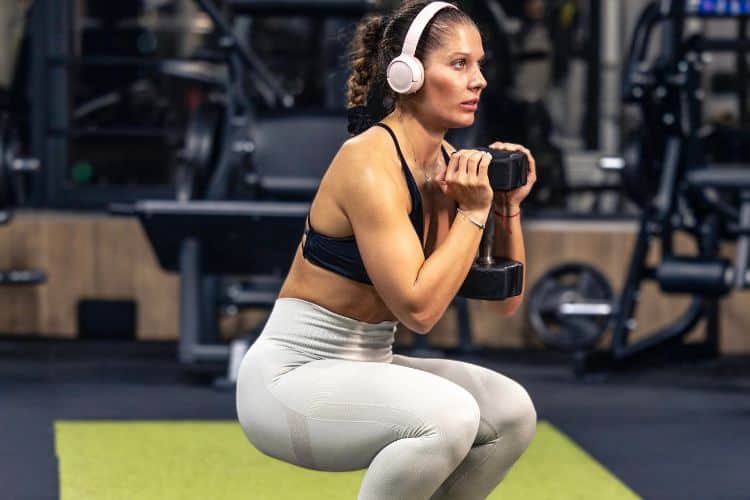
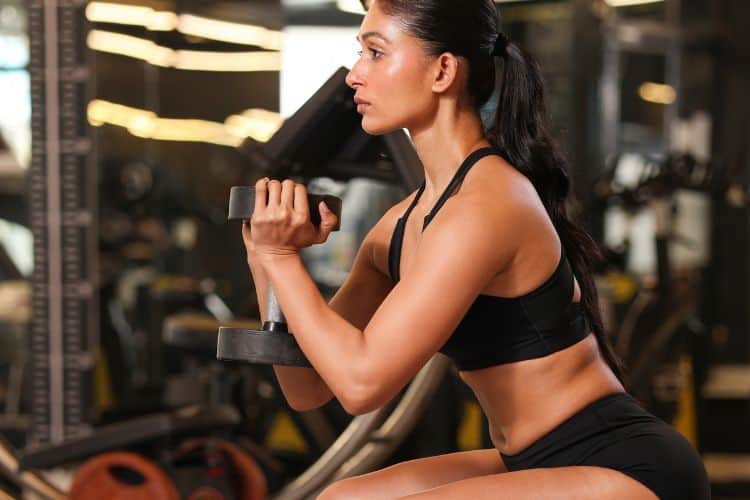
Day one begins with a goblet squat for three sets of six to ten repetitions. Hold one dumbbell close to your chest, place your feet at a comfortable width, and lower between your hips while keeping your whole foot grounded. Stand by pushing through the floor. Follow with a dumbbell Romanian deadlift for three sets of eight to ten. Keep the weights close to your legs, soften your knees, move your hips backward, and stand tall when you feel your hamstrings engage. Avoid turning the hinge into a deep squat or leaning backward at the top.
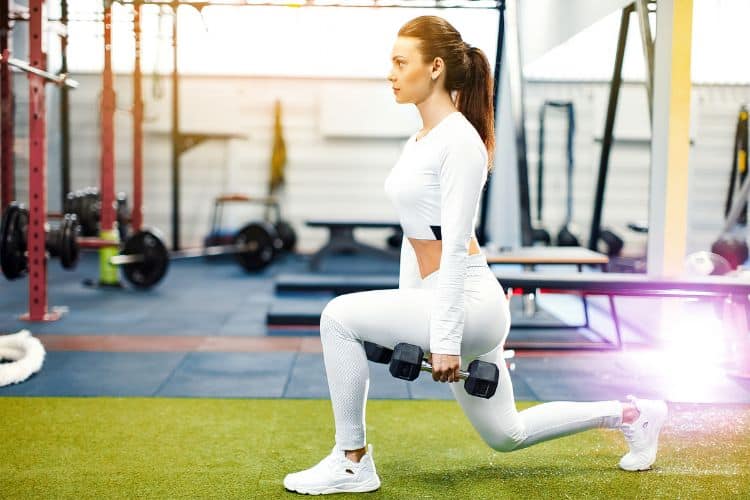
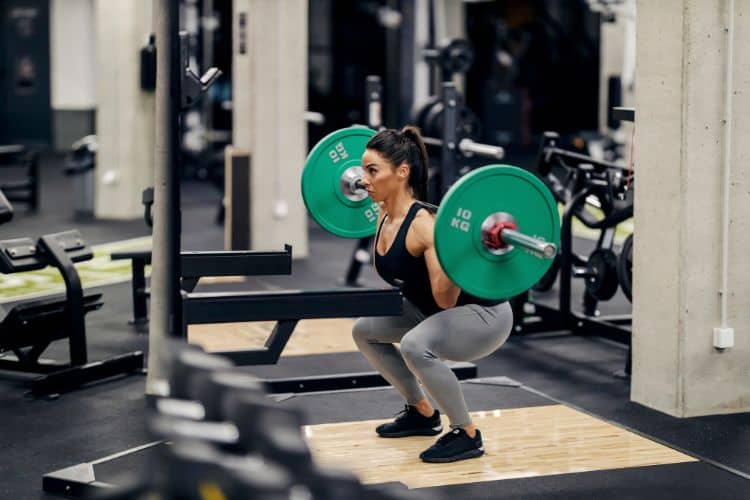
Next, complete reverse lunges for two or three sets of eight repetitions per leg. Step back far enough to lower with balance, then drive through the front foot to return. If balance is the limiting factor, hold one dumbbell or lightly touch a wall. Finish with standing calf raises for two sets of 12 to 15 and a suitcase carry for two walks of 30 to 45 seconds per side. During the carry, hold one weight at your side and stay tall without tipping toward it. A heavy gym lifter can substitute a barbell squat or trap-bar deadlift for the first lift, but keep the rest of the session manageable.
Begin with a dumbbell bench press or floor press for three sets of six to ten reps. Keep your wrists stacked over your forearms, lower with control, and press without slamming the weights together. Pair this with a one-arm dumbbell row for three sets of eight to 12 per side. Support your free hand on a bench, draw your elbow toward your hip, and avoid twisting your torso just to raise the weight. Rest between sets so each movement gets your full attention.
Continue with a seated dumbbell overhead press for two or three sets of eight to ten and a band-assisted pull-up, lat pulldown, or band pulldown for three sets of eight to 12. Choose whichever vertical pull lets you move through a comfortable range. Finish with two sets each of 10 to 15 lateral raises and 10 to 12 hammer curls. If time is limited, the press, row, overhead press, and pulldown cover the session’s priorities. Use the smaller arm and shoulder exercises as optional additions, not reasons to rush your main lifts.
Keep day three easy. Walk, cycle, or swim at a conversational pace for 20 to 40 minutes, or split that time into shorter walks. Then spend five to ten minutes moving your hips, upper back, and shoulders through comfortable ranges. Try gentle hip circles, a controlled cat-cow movement, and a chest-opening stretch if they feel useful. Your goal is to finish feeling fresher than when you started.
Start with three sets of eight to ten dumbbell deadlifts from the floor or raised blocks. Set your feet, brace gently, and stand with the weights close to you. Then perform three sets of eight to ten incline push-ups or dumbbell chest presses, followed by three sets of eight to 12 supported rows. Take adequate rest so you can use deliberate, controlled reps. These exercises provide the strength foundation before your breathing rate rises.
For the conditioning portion, set a timer for eight to 12 minutes. Alternate 40 seconds of brisk step-ups or low-impact marching with 20 seconds of easy movement. Choose a pace that feels challenging but still lets you speak a short sentence. You could use a stationary bike instead if step-ups are uncomfortable. Keep the step height modest and avoid jumping down. Conditioning should complement strength work rather than make the next lower-body day impossible.
Day five uses moderate loads and a little more time under tension than day one. Begin with three sets of 10 to 12 dumbbell hip thrusts or glute bridges. Set your feet so your shins are roughly upright at the top, lift until your hips align with your torso, and pause briefly without arching your lower back. Next, perform three sets of eight to ten split squats per side. Keep a stance that allows balance and lower as far as you can control. A hand on a stable support is useful when it helps your legs do the work.
Follow with dumbbell Romanian deadlifts for two sets of 10 to 12 at a lighter weight than day one. Add two sets of 12 to 15 band lateral steps per direction or side-lying leg raises. Finish with two sets of dead bugs for six to ten slow reps per side. Press your lower back gently toward the floor, exhale as one arm and the opposite leg extend, and shorten the reach if your back lifts. This session should leave your glutes and legs worked without requiring you to grind through every last rep.
Begin with an incline dumbbell press for three sets of eight to 12. If you have no adjustable bench, repeat the floor press and use a controlled lowering phase. Next, perform a chest-supported dumbbell row or band row for three sets of 10 to 12. The support helps you focus on pulling without asking your lower back to hold another bent-over position after leg day. Alternate the pressing and rowing sets if you prefer, while still resting enough to keep the reps strong.
Continue with two sets of 10 to 12 rear-delt flyes using light weights, then two sets of 10 to 12 triceps extensions or band pressdowns. Add a side plank for two holds of 20 to 40 seconds per side and a farmer carry for two walks of 30 to 45 seconds. For the side plank, bend your knees or shorten the hold when needed so your trunk stays aligned. For the carry, hold a weight in each hand, walk at a controlled pace, and keep your shoulders relaxed. If grip fatigue limits the carry, shorten the walk rather than swinging the weights.
Choose 25 to 45 minutes of comfortable walking, cycling, or another low-impact activity you enjoy. There is no pace target and no requirement to sweat heavily. Include a few minutes of gentle mobility afterward if it helps. If your schedule makes day seven your busiest day, 15 minutes of walking or a complete rest day can still serve the cycle. The purpose is to make space between harder sessions, not to earn your next workout.
The last day revisits major movement patterns so you can close the cycle with good practice. Perform three sets of eight goblet squats, three sets of eight to ten one-arm rows per side, and three sets of eight to ten push-ups on an incline or dumbbell presses. Then do two sets of eight Romanian deadlifts and two sets of 30-second suitcase carries per side. Rest 60 to 120 seconds as needed. Use loads that let you finish cleanly, especially if you plan to start day one again soon.
Rather than testing a personal best, compare technique and control with your first workouts. Can you squat with a steadier path? Does the row feel more balanced between sides? Do you have enough energy to finish without speeding through the last set? These are useful signs of progress. If day eight lands after a demanding week outside the gym, complete two sets of the first three exercises and stop there. Consistency across cycles is the real aim.
Repeat this schedule for three to six cycles before making major changes. During the first round, learn the exercises and find suitable loads. In later cycles, try adding one repetition to a set while keeping your form consistent. Once you reach the top of a rep range across all sets, increase the weight slightly and begin again near the lower end. For example, if you complete three sets of ten goblet squats cleanly at one weight, select a modestly heavier dumbbell next cycle and aim for sets of six to eight.
A strength program works best when your everyday eating supports your training. Include protein-containing foods across meals, eat enough overall to feel fueled, and choose carbohydrates and fats that fit your preferences and activity. If changing body composition is part of your goal, use a sustainable approach instead of severe restriction that makes workouts and recovery harder. The right intake varies by person; this routine does not require a rigid meal plan or a supplement.
Hydrate throughout the day, and make sleep a practical priority where you can. Work stress, caregiving, illness, and other activity all affect how demanding a session feels. Adjust weights or sets in response to those conditions. A brisk walk and a nourishing meal may be more productive than forcing an extra conditioning workout when you are depleted. If you are returning after an injury, have a health condition that changes your exercise needs, or are unsure which movements are appropriate, get individual guidance from a qualified professional.
Yes, if you scale the volume and give yourself time to learn the lifts. Start with two sets of the main exercises, use easier variations such as incline push-ups and supported split squats, and keep the conditioning block short. You may also insert an additional recovery day after day four. A beginner should finish most sessions feeling as though another good set was possible. As your technique and confidence improve, work toward the full plan.
The plan can support your activity and help build or preserve muscle, but it cannot target belly fat specifically. Body fat changes depend on broader habits and individual factors. Instead of judging the program by a single body area, track strength, exercise consistency, energy, and how well you recover. Those measures help you decide whether the routine fits your life and needs adjustment.
A good strength and toning workout has a clear purpose each day and enough breathing room between hard efforts. This SplitLean schedule gives you two focused lower-body days, two upper-body days, two full-body sessions, and two easier days across one repeatable cycle. Start with weights you can control, keep notes, and add reps or load in small steps. Eight days will not transform your body overnight, but several thoughtful cycles can help you become stronger, more confident with the movements, and more consistent with training.
To explore other ways to structure your training, compare this eight-day cycle with the 4 Day Dumbbell Workout Split or the 5 Day Upper And Lower Body Superset Workout. On days when you want a shorter session, try the 20 Minute Lower Body Dumbbell Workout or the 30 Minute Full Body Dumbbell Workout. As you repeat SplitLean, use this Progressive Overload Guide For Women to plan gradual increases in reps or weight.
Stay up to date on the latest women’s health, fitness and lifestyle trends and tips.
